
Alumni and events
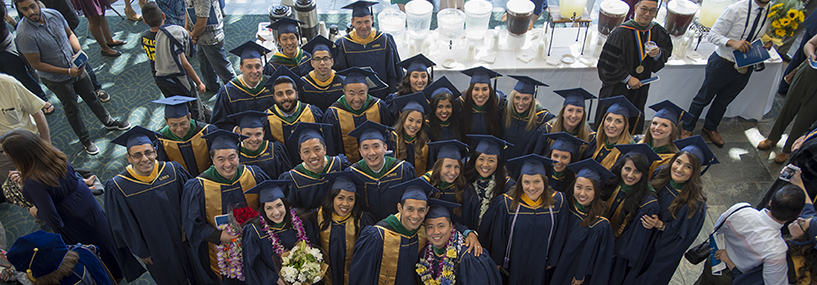
As alumni of the Betty Irene Moore School of Nursing at UC Davis, you are the school’s most important asset and its greatest strength. As leaders in health care organizations, faculty at higher education institutions, members of primary-care teams and influencers within policy-making bodies, you illustrate how graduates fulfill the vision and mission of the school.
Through word-of-mouth support to promote the school and financial support to enable future students to benefit from the philanthropy that yielded your education, your involvement is critical to the future success of the school. Through your partnership, faculty, staff and students at the School of Nursing discover ways to advance health, improve quality of care and shape policy.
Alumni distinctions
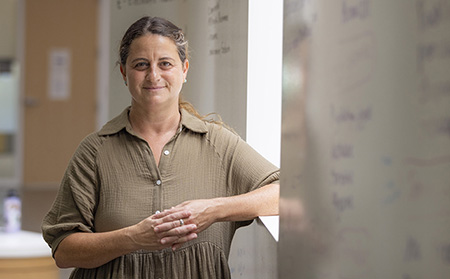 Leaning into research to give women a voice
Marla Shauer completed a Doctor of Philosophy degree so she could make the change she wanted to see happen. She chose the Betty Irene Moore School of Nursing at UC Davis for its flexibility, financial support and faculty mix.
Read and watch Marla's Story
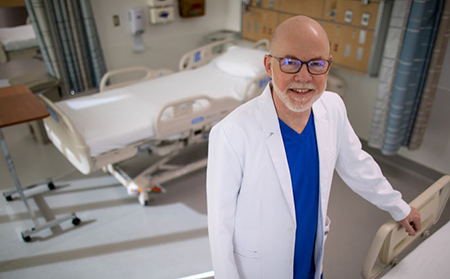 A lifelong dream becomes an amazing reality
Bill Randall, a 2020 graduate of the Doctor of Philosophy Degree Program, said earning the terminal degree allowed him to achieve his dreams in the nursing profession — and even go beyond those dreams. Read and watch Bill's Story
Latest school news
May 26 — Assistant professor publishes review on social support inventory
Edna Esquer, an assistant professor at the Betty Irene Moore School of Nursing at UC Davis, published Review of the ENRICHD Social Support Inventory Psychometric Instrument in the International Journal of Studies in Nursing. The review examines the ENRICHD Social Support Inventory (ESSI) and evaluates its psychometric quality using the COSMIN framework to guide researchers measuring social support in health contexts. It finds that while the ESSI’s concept and construct are reasonably defined, inconsistencies in administration and scoring across studies — and various adaptations — create confusion and threaten validity. The impact is a call for stricter psychometric rigor and the development of linguistically and culturally appropriate versions to better support diverse populations and improve research and patient outcomes.