
For UC Davis nursing graduate, mental health care is part of whole-person care
PMHNP certificate builds on years of service to meet growing needs in California
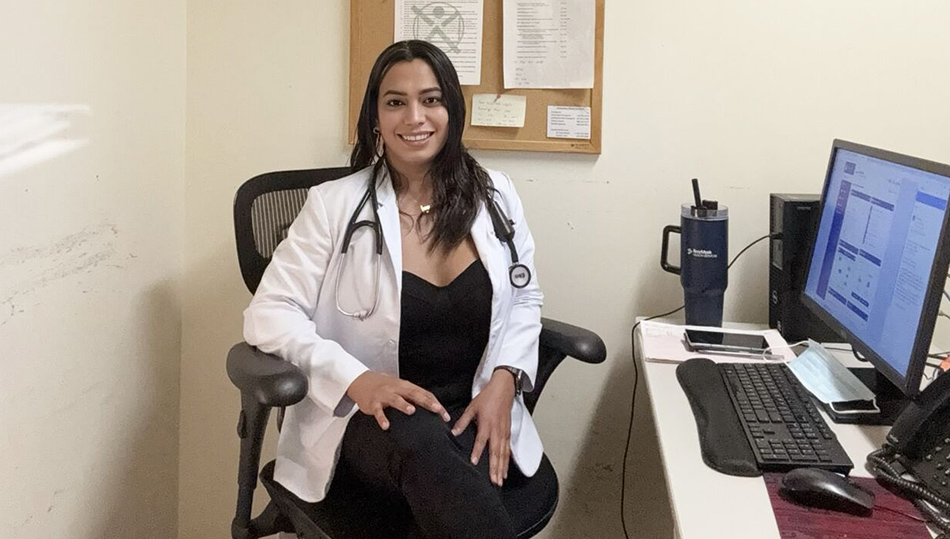
Ariana Mocorro has worked across health care for more than a decade. She has served as a nurse, family nurse practitioner, ICU nurse and provider in primary care, substance-use treatment and community health settings across the Bay Area.
Again and again, she saw the same truth: Physical health and mental health cannot be separated.
“You cannot separate the mind from the body,” Mocorro said.
That belief led her to the UC Psychiatric Mental Health Nurse Practitioner Certificate Program, a one-year hybrid program offered through the Betty Irene Moore School of Nursing at UC Davis to prepare more psychiatric-mental health nurse practitioners for California communities. For Mocorro, the program was not a career change. It was a way to expand the care she could offer to patients already in front of her.
“I’ve seen a lot of patients with mental health care needs, but that was not my field,” she said. “We’re just adding a layer of skills and education so we can be better providers to our patients.”
Serving people who need care most
Mocorro currently works in primary care and substance-use treatment, often with people who face poverty, stigma and limited access to care. Many are part of underserved communities. Many have lived through trauma, addiction, depression or anxiety.
She said the certificate strengthens the mental health side of her practice, allowing her to care for the whole person, not just the reason listed on a chart.
“I want to be more able to address their mental health issues,” she said. “There is a lot of stigma and fear.”
Her path to advanced practice began long before UC Davis. Mocorro earned a bachelor’s degree in nursing in the Philippines before coming to the United States as an international student. She later earned a master’s degree in public health and a Doctor of Nursing Practice degree as a family nurse practitioner (FNP).
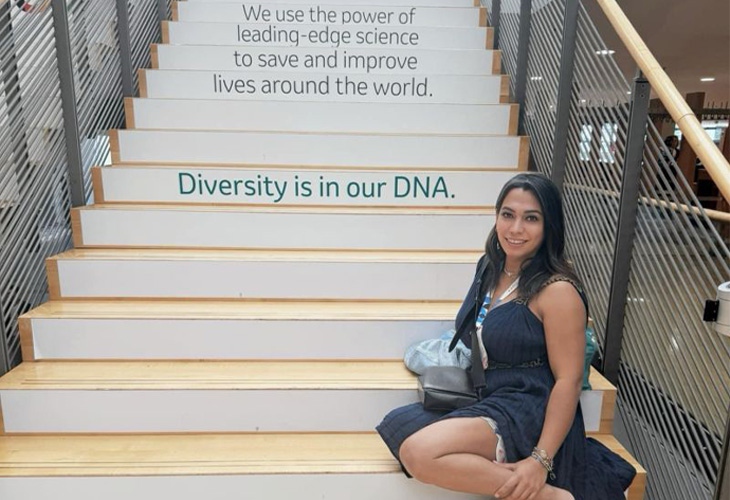
Ariana Mocorro says the PMHNP certificate strengthens the mental health side of her practice so she can care for the whole person.
She became an FNP in 2020, just as COVID-19 reshaped health care. While many clinical rotations paused, Mocorro continued her final hours with a physician who visited hospitals, care facilities and homes.
“It was strange, but also amazing work,” she said.
That experience deepened her sense of purpose. So did years of caring for family members, including her grandparents and mother.
“Service to people is the best work of life,” Mocorro said.
That combination of experience is exactly why the UC program was created. By preparing practicing nurse practitioners to bring psychiatric-mental health care into primary care, substance-use treatment and other community settings, the program aims to expand access in places where the need is high and the provider shortage is real.
“Ariana is already a highly skilled nurse practitioner, which makes this aspect of the certificate program so beautiful,” said Vanndy Loth, the program’s lead faculty educator. “It’s not one specialty over the other, but an opportunity for advanced practice nurses to build on the existing skills they have and even refine and update their current practice to take on a wider lens in providing care with patients in any setting.”
Finding purpose through resilience
Mocorro said the UC program was demanding. At first, she and her classmates wondered how they would manage the readings, clinical work and pace. But the learning soon clicked.
“It’s not something new in terms of the process,” she said. “We’re just adding a layer of skills.”
She also found meaning in the program’s diverse community. As a member of the LGBTQ community, Mocorro said UC Davis helped her feel that her story and perspective were valued.
“You definitely have a place where you can grow and fulfill that purpose,” she said. “This is my calling. This is my purpose. And I’m happy that UC Davis helped me achieve that.”