
FALL/WINTER 2025
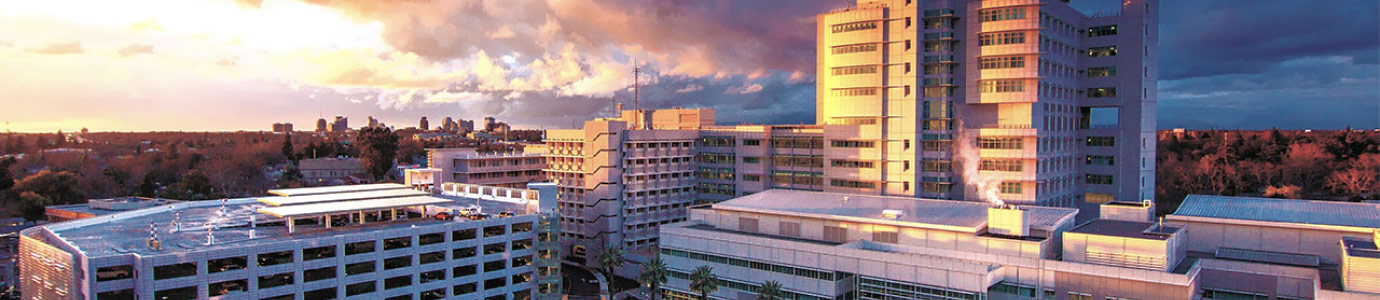
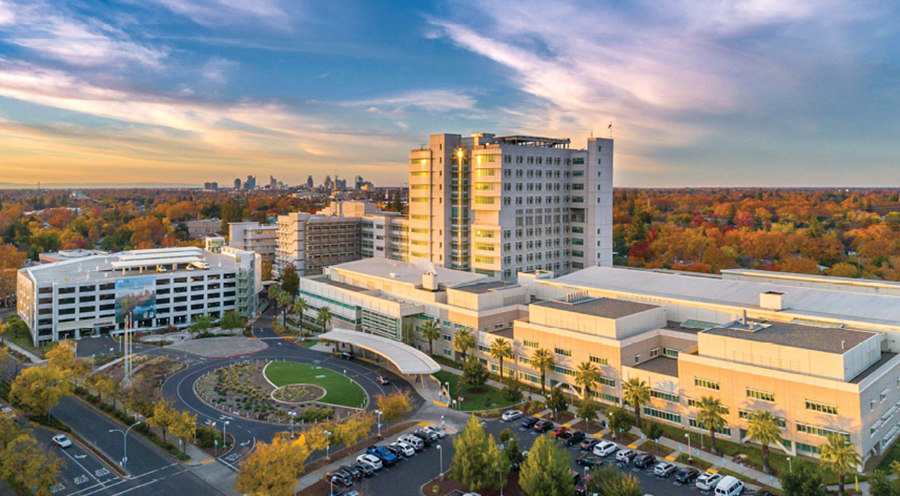
The UC Davis Health Medical Center campus
Noteworthy

Clinical highlights

A sampling of recent major achievements and developments from UC Davis Health and the UC Davis School of Medicine. For more listings and news, please visit our newsroom and follow us on social media.

Medical Center to become first Special Pathogen Treatment Center in Northern California
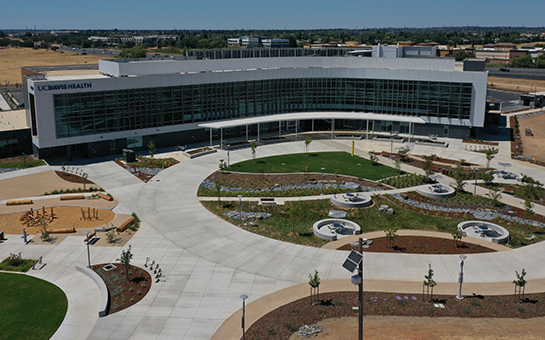
UC Davis Medical Center is on its way to being designated as a Special Pathogen Treatment Center (SPTC). This classification, which will enable it to handle patients with contagious infectious diseases, is thanks to $1.2 million in funding from the California Department of Public Health (CDPH).

The new designation is also known as a National Special Pathogens System (NSPS) Level 2 facility. As a Level 2 center, UC Davis will be ready and able to safely receive, assess and provide care for people with risk for special pathogens infection, including Ebola and Marburg virus disease.

UC Davis will join Cedars-Sinai Medical Center as one of only two NSPS hospitals providing specialized special pathogen assessment and treatment to California patients outside Los Angeles County. As the regional Level 1 treatment facility, Cedars-Sinai will partner with UC Davis to help develop preparedness and response capabilities, enhancing the state’s overall readiness.

The NSPS is a tiered way to care for patients. There are four facility levels, each with increasing capabilities to manage patients with high-consequence infectious diseases. Level 2 facilities deliver specialized care to clusters of patients and serve as primary centers for care throughout duration of illness.
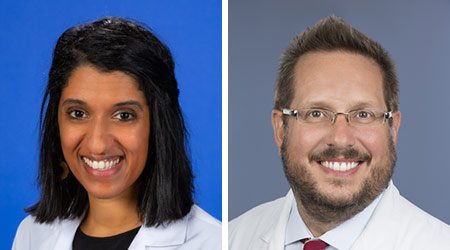
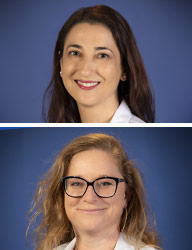
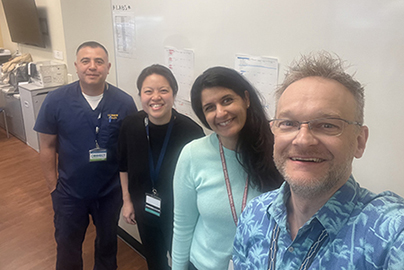
Angel Desai, M.D., M.P.H., associate professor of Infectious Diseases, and Christian Sandrock, M.D., M.P.H., FCCP director of critical care

Angel Desai, M.D., M.P.H., associate professor of Infectious Diseases, and Christian Sandrock, M.D., M.P.H., FCCP, director of critical care, will lead the new center. The $1.2 million from CDPH upgrades include maintenance of isolation rooms, investment in specialized equipment, and enhanced training.
Clinical milestones
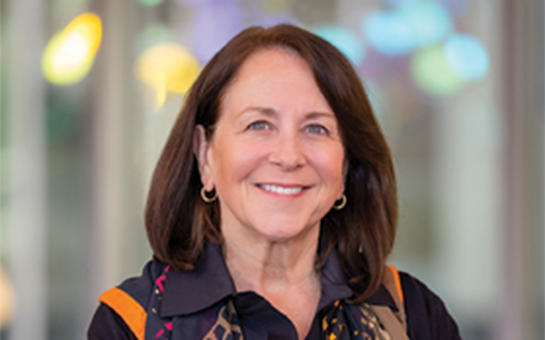
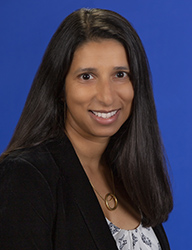
  • Shehnaz Hussain, Ph.D., Sc.M., professor and associate director of Population Sciences

    Universal Consent Registry allows patients to make a difference

    UC Davis Comprehensive Cancer Center is making it easier for patients to contribute biological samples to support cancer research. The cancer center and the Clinical and Translational Science Center have created a Universal Consent Registry, a secure database of patients who have opted in. Data and samples of patients who opt in can be used for cancer research if they meet a study’s requirements. This can include cancer type, tumor characteristics or treatment received. Using these resources, researchers can investigate whether a biomarker can accurately predict outcomes. Work like this could ultimately give oncologists and patients better tools to determine how aggressively to treat each unique cancer. This is a highly efficient way to support cancer research. The previous approach was labor-intensive and intrusive for patients. The new registry streamlines the process and gives researchers more immediate access to samples, accelerating their work and ultimately improving care for cancer patients.

    Shehnaz Hussain, Ph.D., Sc.M., professor and associate director of Population Sciences, plans to eventually expand it beyond the cancer center and into other areas of UC Davis Health.

Clinical programs
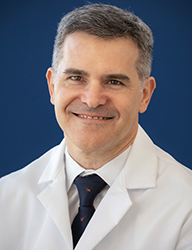
  • Martin Cadeiras, M.D., clinical professor of cardiovascular medicine at UC Davis Health

    UC Davis Health & WellSpace Health team up: Closing gaps in heart failure care

    UC Davis Health and WellSpace Health, the largest community health system in the Sacramento area, have teamed up to open a heart failure clinic at WellSpace’s Oak Park health center. The clinic is part of the Specialty Connect program, which brings UC Davis Health specialists into community clinics where they provide care to historically underserved populations.

    “One of the challenges we see with heart failure patients admitted to the hospital is the transition of care after discharge,” explained Martin Cadeiras, M.D., clinical professor of cardiovascular medicine at UC Davis Health. “We take care of these patients during their hospitalization, but once they’re discharged, continued follow-up and optimization of care are critical… This is one way we can address the gap in care for patients who do not have access to specialized heart failure services.”

    At the new clinic, patients get checkups and follow-up care, and can take part in programs to manage blood pressure and learn about self-care. A medical assistant, pharmacist and health educators make sure patients get labs done, stay in touch with their primary care doctor, and understand how to manage their heart failure.

    To start the program, physician assistants from WellSpace trained for eight weeks at the UC Davis Heart Failure Clinic. A second heart failure clinic has now opened at WellSpace Health in Citrus Heights, staffed by a WellSpace team. Any adult patient with Sacramento County-assigned Medi-Cal is eligible to receive care at one of the clinics.

  • Virtual reality overlay

    Nationally recognized for excellence in pediatric epilepsy

    The National Association of Epilepsy Centers (NAEC) has awarded the UC Davis Comprehensive Epilepsy Program its prestigious Level 4 Pediatric Epilepsy Center designation — the highest recognition for epilepsy care in the nation. The adult epilepsy program was previously designated Level 4 by NAEC and continues to maintain its status.

    UC Davis is the first and only Level 4 pediatric epilepsy center in inland California north of Fresno. The designation is reserved for centers that are equipped with the most sophisticated technology, provide advanced treatment and offer the most complete range of medical and surgical treatments performed by specialized neurologists and neurosurgeons. When surgery is indicated for children or adults, UC Davis offers the full spectrum of leading-edge interventions, including laser interstitial thermal therapy (LITT), robot-assisted surgery, and implantable neuromodulation devices.

    UC Davis significantly expanded its team of nationally recognized epileptologists and fellowship-trained neurosurgeons for both pediatric and adult patients. To better support children with complex epilepsy, the new Pediatric Intractable Epilepsy Clinic, led by Neggy Rismanchi, M.D., Ph.D., provides specialized, multidisciplinary care. The pediatric program also welcomed Courtney Wusthoff, M.D., M.S., chief of Child Neurology, who brings extensive, rare expertise in neonatal and pediatric electroencephalography monitoring.

  • Hemostasis team

    New hemostasis gynecology clinic

    Patients with bleeding and thrombotic disorders need specialized care to address menstrual-related concerns.

    A new UC Davis Health clinic will address their needs. The UC Davis Hemostasis and Thrombosis Center recently launched a hemostasis gynecology clinic to provide hematology and gynecology care for patients who menstruate. Patients at this clinic can be seen on the same day by both hematologists with specialty training in bleeding and thrombotic disorders and family planning gynecology specialists. Melissa Chen, M.D., M.P.H., UC Davis obstetrician-gynecologist with specialty training in complex family planning, said that the clinic gives providers the ability to collaborate and develop recommendations together for the patients’ benefit and streamline patient care.

    UC Davis Health has the only hemostasis and thrombosis center in Sacramento and is the only health system in the region that offers a multidisciplinary clinic of this kind.

  • Clinic for painful, oft-misdiagnosed skin condition

    UC Davis Health has opened a new specialty clinic in the Department of Dermatology focused on treating a chronic skin condition called hidradenitis suppurativa, or HS. Symptoms of HS include painful bumps, abscesses (boil-like lumps) and scarring. The affected skin is usually in areas like the underarms, groin and under the breasts. HS tends to affect females more often than males.

    HS is more common than many people realize, but it’s often misunderstood. HS is sometimes called acne inversa, but needs a different kind of care. Because it can be hard to recognize, some patients go years without the right diagnosis or treatment. It can also be linked to other health problems and often requires advanced treatments that target inflammation.

    Being seen by dermatologists who have a deep understanding of HS can make a big difference for patients. At UC Davis Health, those specialists are health sciences assistant clinical professors Boya Abudu, M.D., M.P.H., and Jonathan Rick, M.D., F.A.A.D., co-directors of the new UC Davis Hidradenitis Suppurativa Clinic.

Clinical technology
  • Neonatologist Yogen Singh, M.D.

    NICU launches groundbreaking bedside ultrasound program

    UC Davis Children’s Hospital has launched a pioneering Point-of-Care Ultrasound program in its Neonatal Intensive Care Unit (NICU), led by internationally renowned neonatologist Yogen Singh, M.D. The program, known a POCUS, puts the hospital at the forefront of innovative neonatal care in the region and among a select few institutions nationwide.

    POCUS uses portable ultrasound at the hospital bedside to provide diagnostic imaging and guidance for procedures. It quickly assess critical conditions. The technology is being applied to assess cardiac function, lung status and central line placement, key areas in managing critically ill newborns. UC Davis has the only NICU in Sacramento with a formalized POCUS program.

    Singh, who joined UC Davis Health in 2024, brings extensive experience with POCUS from Cambridge University and in his leadership role as chair of the Cardiovascular Hemodynamics Section and POCUS Working Group for the European Society of Paediatric and Neonatal Intensive Care. He is the lead author of the world’s first international evidence-based guidelines for pediatric POCUS, published in 2020. The guidelines are widely adopted across multiple countries.

    Singh is also collaborating with departments across the hospital, including the Pediatric and Cardiac Intensive Care Unit, pediatric cardiology and emergency medicine, to expand the program’s reach.

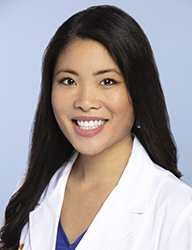
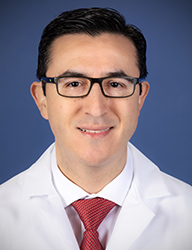
  • Mimmie Kwong, M.D.

    New minimally invasive treatment for vascular surgery patients

    Vascular surgeons at UC Davis Medical Center recently completed their first percutaneous transmural arterial bypass therapy (PTAB) using the DETOUR System. UC Davis is the first hospital in the Sacramento region to perform this minimally invasive treatment. Open surgical bypass is the current standard of care, but the procedure carries risks of complications and a prolonged recovery time. PTAB is a minimally invasive approach that utilizes an endovascular technique using a patient’s own blood vessels to bypass the diseased or blocked area. Mimmie Kwong, M.D., assistant professor of vascular surgery, performed the procedure.

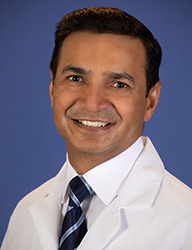
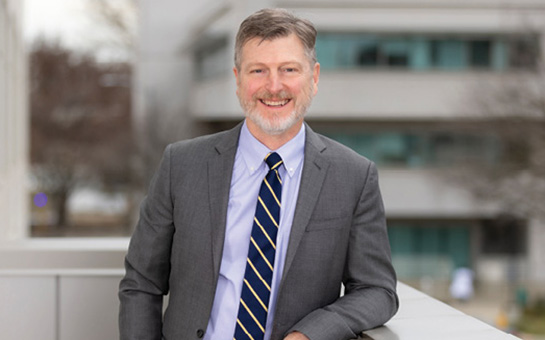
  • Antonio Mendoza-Ladd, M.D.

    Novel endoscopic procedure helps patient avoid surgery

    When a patient with a gastrointestinal stromal tumor (GIST) was referred to UC Davis Health’s interventional endoscopy service, Antonio Mendoza-Ladd, M.D., medical director of gastrointestinal endoscopy, suggested removing it using a new technique called submucosal tunneling endoscopic resection (STER). During the procedure, a small cut made just a few centimeters from the main tumor serves as an entrance to a tunnel, which allows the team to avoid creating a hole in the stomach that would otherwise be required to remove the tumor. Less than 24 hours after the procedure, the patient was able to return home. UC Davis Health is the only hospital in the Sacramento region to use STER approach to remove GI tract tumors.

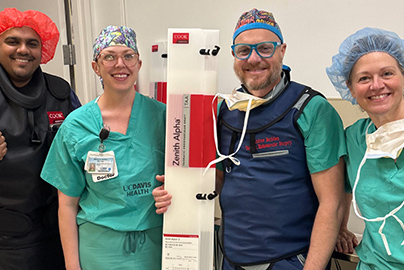
  • UC Davis Aortic Center Director Andrew Barleben, M.D., M.P.H., and vascular surgery team

    Aortic repair with newly approved device

    UC Davis Health vascular surgeons are among the first in the country to treat patients with thoracic aortic disease using a groundbreaking thoracic endovascular graft known to improve outcomes. The minimally invasive procedure, a thoracic endovascular aortic repair (TEVAR), is made possible with a new device called the Zenith Alpha® 2 Thoracic Endovascular Graft. UC Davis Medical Center is one of the first sites nationwide to have commercial access to this graft and is the first hospital in Northern California to utilize the treatment.

    The new thoracic endovascular graft is thinner and easier for vascular surgeons to use. Patients treated with the graft can expect improved safety and healing compared to traditional surgical procedures. UC Davis Aortic Center Director Andrew Barleben, M.D., M.P.H., performed the first UC Davis procedure. The medical center’s vascular team was also the first in the UC health system to implant the GORE® TAG® Thoracic Branch Endoprosthesis when it was approved by the FDA in 2022.

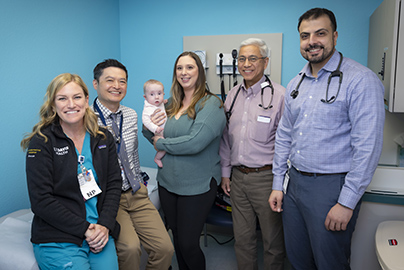
  • Lillian Hodgkins with family and her care team

    Innovative stent that grows into adulthood

    A baby treated at UC Davis Health is the first in Northern California to receive a new stent designed for infants that grows as the patient grows. The Minima Stent System, designed for narrowing or blockage of arteries specifically in infants, is the only Federal Drug Administration-approved system of its kind.

    It can be inserted with a tiny delivery system and further expand to accommodate natural growth into adulthood. The baby was born eight weeks premature, with DiGeorge syndrome, a genetic condition caused by a missing piece of chromosome 22. She was hospitalized in the UC Davis Neonatal Intensive Care Unit and needed open heart surgery to repair her heart.

    The surgery was a resounding success, but in one of her follow-up echocardiograms, her care team noticed a narrowing of the aorta. The solution turned out to be the new stent. The UC Davis team will continue to monitor her and will expand the stent as she grows. No additional heart surgeries are needed.

  • Helping patients lower blood pressure at home

    Patients enrolled in UC Davis Health’s Remote Patient Monitoring program for blood pressure saw significant improvement in their readings over the course of their participation. In the past, people with high blood pressure usually had to visit the doctor once a month to share their blood pressure numbers. But with remote monitoring — which UC Davis Health started a year ago — patients are given connected devices, like blood pressure cuffs and scales, to use from home in real time.

    These devices send the data to their care team, which includes a doctor, pharmacist, nurse and medical assistant. The program looks at the full range of factors that influence a person’s ability to manage their high blood pressure. In the past few years, UC Davis Health has started remote monitoring programs for patients with heart failure, chronic lung disease and post-angioplasty treatment. The health system plans to add more remote monitoring for other chronic illnesses, making monitoring more convenient and affordable for UC Davis Health patients.