

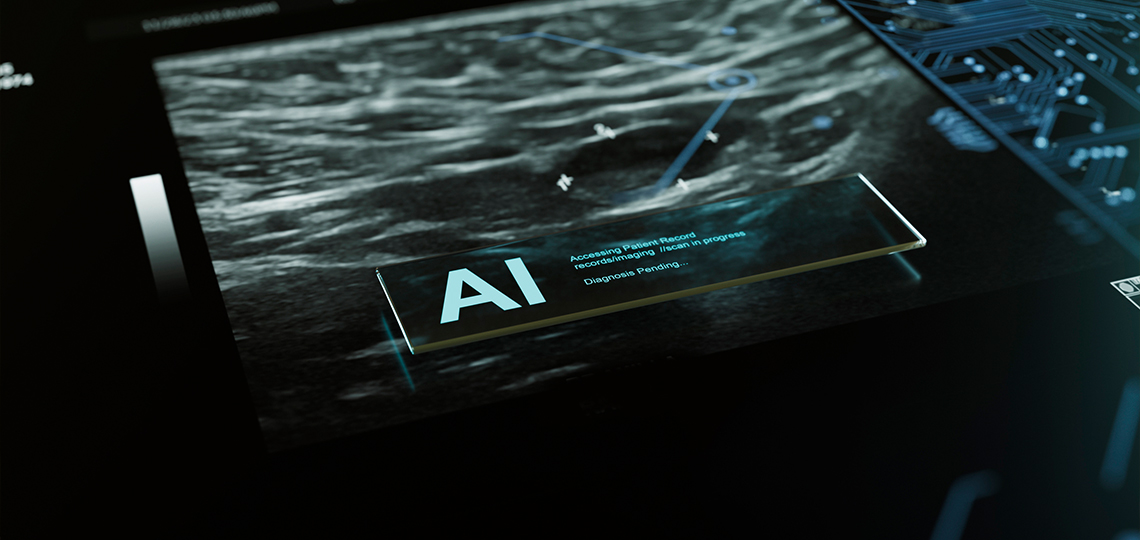
UC Davis Health will help answer that question. It is co-leading a newly funded national clinical trial to evaluate whether AI can help radiologists interpret screening mammograms more accurately.
The goal is to improve breast cancer detection and reduce unnecessary callbacks and anxiety for patients.
The study, known as the PRISM trial (Pragmatic Randomized Trial of Artificial Intelligence for Screening Mammography), is supported by a $16 million award from the Patient-Centered Outcomes Research Institute.
The study will involve hundreds of thousands of mammograms interpreted at academic medical centers and breast imaging facilities in California, Florida, Massachusetts, Washington, and Wisconsin.
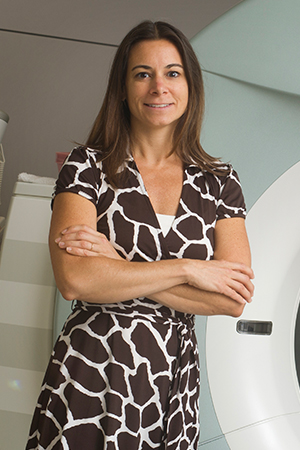
“PRISM is the first large-scale randomized trial in the U.S. to evaluate the effectiveness of AI in breast cancer screening interpretation,” said Diana Miglioretti, dual principal investigator and lead of the study’s data coordinating center, which will be based at UC Davis Health.
Miglioretti is a professor and division chief of Biostatistics at the UC Davis Department of Public Health Sciences and co-leads the Population Sciences and Cancer Control program at UC Davis Comprehensive Cancer Center.
“We’re rigorously evaluating whether AI-assisted interpretation improves screening outcomes,” she said. “The goal is not to replace radiologists with AI but to see how effective AI could be as a co-pilot in reading mammography.”
This study is our opportunity to generate independent, trustworthy evidence, with the patient perspective front and center,”—DIANA L. MIGLIORETTI, PROFESSOR AND DIVISION CHIEF OF BIOSTATISTICS
PRISM trial’s results will be put to immediate use
Breast cancer remains the second leading cause of cancer death among women in the United States. While routine mammography screening reduces mortality through early detection, it also has drawbacks, including false positives that can lead to unnecessary testing, anxiety and costs. Mammography can sometimes miss cancer, too.
“The trial’s results will inform clinical practice, coverage decisions, technology adoption, and how we communicate with patients about AI in screening,” Miglioretti explained. “There’s a lot of optimism that AI will improve care, but very few randomized trials have measured its real-world effectiveness.”
Study is a collaborative approach to AI research
The PRISM trial was developed in close partnership with patient advocates, clinicians, health system leaders and policymakers.
The trial brings together seven leading academic medical centers. UCLA will serve as the administrative coordinating site. Other sites include UC San Diego, Boston Medical Center, University of Miami, University of Washington and University of Wisconsin.
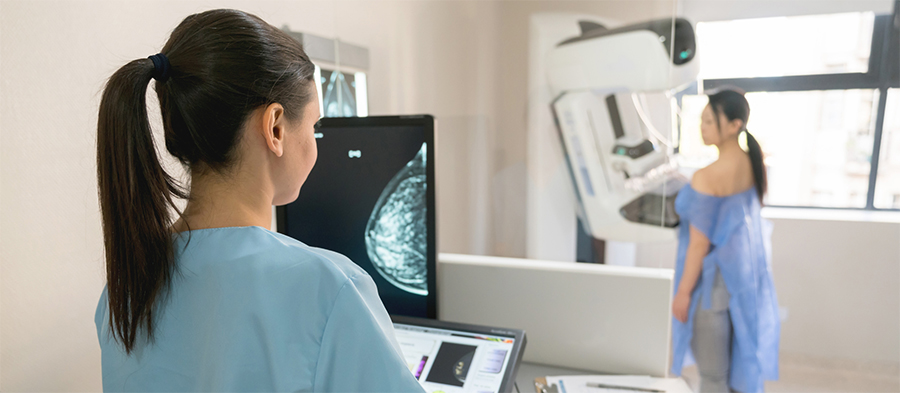
Each participating facility will continue routine screening as usual, with no changes to the patient experience. Mammograms will be randomly assigned to be interpreted either by a radiologist on their own or with assistance from an AI support tool. In all cases, a radiologist will read the mammogram and determine the results.
UC Davis Health will not enroll patients in the study but will collect the data from the participating facilities and conduct the analyses for the study.
In addition to analyzing cancer detection and recall rates, the study will include focus groups and surveys to capture how patients and radiologists perceive and trust AI-assisted care.
This study is our opportunity to generate independent, trustworthy evidence, with the patient perspective front and center,” Miglioretti said.