
Academic Programs
General Psychiatry Residency
Research Track
The research track was developed within the general residency program to attract physicians to research and provide training that enables them to eventually become independent investigators. Research education begins early and continues throughout residency training. This extended period of training provides multiple opportunities to acquire research skills, take didactic courses related to research, formulate research hypotheses, collect, analyze, and publish data, and learn grantsmanship skills.
Applying to the Research Track
Trainees interested in research decide to commit to the research track by January of the PGY-1 year through an application and letter of interest.
Mentorship
The Vice Chair for Research helps those selected choose a mentor in the PGY-2 year. This mentor then shepherds the resident through the rest of the residency, providing research training in the context of his or her lab and ongoing projects.
Timeline
- Internship year (not time committed to research)
- Commit to research track by January
- Submit a letter of intent to the Training and Education Committee and the Research Advisory Committee
- Identify a general advisor to mentor/oversee the process
- Half day per week for research
- Visit labs, observe research, meet with potential mentors
- Find and establish a research mentor, literature review, project design
- Submit Institutional Review Board proposal
- Take departmental course on research design for all residents
- Full year of research
- Summer intensive class: Clinical Epidemiology and Study Design
- Other seminars in the K-30 Mentored Clinical Research Training Program series
- Didactics related to particular project (optional)
- $10,000 in support to supplement mentor’s resources (for research-related travel, additional research costs, etc.)
- Half day per week to finish project (or use elective)
- Interchangeable with PGY-3
Research Focus
Courses on many topics relevant to clinical and translational research are offered at UC Davis. Services are also provided through the Clinical and Translational Science Center. For trainees interested in developmental disabilities, there are weekly research seminars on neurodevelopmental disorders available through the UC Davis M.I.N.D Institute T32 training grant. Formal postdoctoral fellowships to follow residency training are also available through the M.I.N.D. Institute T32. Regardless of research focus, all residents attend the weekly Department of Psychiatry grand rounds.
Courses Offered
Research courses offered at UC Davis:
- Research design
- Biostatistics
- Database management
- Ethics
- Fiscal and protocol compliance
- Grant writing
- Career development
- Academic-industry partnerships
Focus Areas
Current faculty research in the department falls in the following areas:
- Addiction disorders
- Aging and mental health
- Anxiety disorders
- Autism and developmental disorders
- Child psychiatry
- Cognitive and affective neuroscience
- Cultural psychiatry
- Forensic psychiatry
- Mental health services
- Neuroimaging
- Neuroscience
- Psychopharmacology
- Schizophrenia and related disorders
- Sleep disorders
- Telepsychiatry
- Virtual stimulation environments
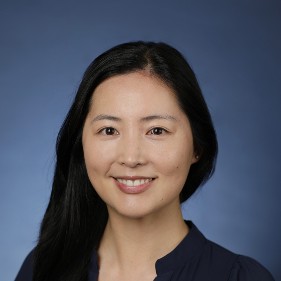
UC Davis Psychiatry has provided exceptional support for my research. As a research-track resident, I have the privilege of running my very own pilot TMS study as the principal investigator. This would not be possible without the department’s mentorship, infrastructure, and culture of collaboration across UC Davis. I have been offered many opportunities to not only engage with the scientific community here, but also to collaborate with other researchers nationwide thanks to my wonderful mentors. It’s a place where residents are empowered to shape their own research path.—Se Ri (Sally) Bae, M.D., PGY-3 resident
Questions?
For questions about the research track, please contact Tara Niendam, Ph.D., Professor and Vice Chair for Research.
Email Tara