Center Members and Affiliates

Colleen Clancy, Ph.D. (Research Profile)
Director
Colleen E. Clancy serves as the Director of the Center for Precision Medicine and Data Sciences at UC Davis School of Medicine and is a professor in the Departments of Physiology and Membrane Biology and Pharmacology. She is the inaugural Editor in Chief of the Journal of Precision Medicine: Health and Disease. She has authored more than 100 published works and serves on the editorial board of The Journal of General Physiology. Clancy has also been an associate editor for the Journal of the American College of Cardiology: Clinical Electrophysiology and has served on the advisory board of the National Biomedical Computation Resource, as a member of the NIH Multiscale Modeling Consortium, and on the Heart Rhythm Society Fellowship Subcommittee. Additionally, she regularly participates in peer review for numerous national and international funding agencies and scientific journals. She leads a multidisciplinary team of junior and senior investigators, supported by multiple NIH programs, focused on computation.
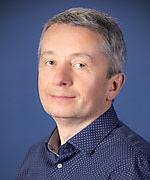
Vladimir Yarov-Yarovoy, Ph.D. (Research Profile)
Associate Director
Vladimir Yarov-Yarovoy earned an M.S. Degree in Physics at the Moscow State University in Moscow, Russia (mentored by Galina Mironova), and then Ph.D. Degree in Biochemistry and Molecular Biology at the Oregon Health Science University in Portland, Oregon (mentored by Keith Garlid). Yarov-Yarovoy was a postdoctoral fellow in Biophysics (mentored by William Catterall) and Computational Biology (mentored by David Baker, 2024 Nobel Prize in Chemistry) and then a Research Assistant Professor in the Department of Pharmacology at the University of Washington in Seattle, Washington. He joined UC Davis as an Assistant Professor in Physiology and Membrane Biology in 2011 and became a full Professor in 2020. Vladimir Yarov-Yarovoy’s research interests and expertise encompass neuroscience, protein structure, and computational biology. The main focus of his research group is on computational design of subtype-specific ion channel modulators, structure and function studies of voltage-gated ion channels, and development of computational methods for membrane protein structure prediction and design. Recent advances in computational protein design, determination of high-resolution ion channel structures and discoveries of natural peptides that target them with high affinity, set a stage for computational design of novel ion channel modulators.
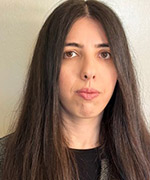
Hajar Amini, Ph.D. (Research Profile)
Assistant Researcher
Department of Physiology and Membrane Biology
Hajar Amini is an Assistant Researcher at the Center for Precision Medicine and Data Sciences at UC Davis. She joined UC Davis in 2019 as a postdoctoral scholar in the Department of Neurology and was appointed Assistant Project Scientist in 2020. Her research focuses on understanding how genetic variation influences human traits, disease risk, and clinical outcomes. With a background in bioinformatics, computational biology, and machine learning, her work integrates multi-omics and phenotype data to identify variants that contribute to disease mechanisms, with particular emphasis on cardiovascular disorders and stroke.
Her current research leverages advances in artificial intelligence and biomolecular technologies to uncover mechanistic links between genetic variants, gene expression, and variability in drug efficacy and toxicity. Her long-term goal is to identify novel drug targets and enable personalized medicine strategies that improve patient care.
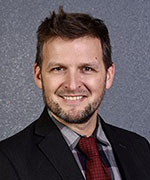
Kent A Anderson, M.S.
Special Role: Advisor on Data Science
Director, Data Center of Excellence
Associate Director, CTSC Biomedical Informatics
Kent Anderson, M.S. is charged with facilitating the integration of research technology within UC Davis Health, including health data re-use, secure research infrastructure provision, and development of population health datasets. He is responsible for directing the design, acquisition, development, and implementation of specialized databases, tools, and applications to support clinical and translational research at UC Davis. In addition, he serves as a representative to the national consortium of CTSA award recipients to develop resources to benefit all represented CTSA institutions. He works closely with the Biomedical Informatics Program director to help investigators make the most efficient use of informatics services and resources.
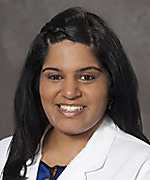
Mili Arora, M.D.
Associate Professor, Department of Internal Medicine
Mili Arora's research focuses on improving the landscape of treatments for breast cancer. She has a specific interest in triple negative breast cancer and developing better supportive therapies to use adjunctively with standard breast cancer treatments.
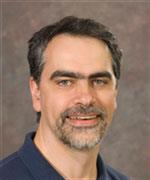
Ramsey D Badawi, Ph.D.
Co-Director, EXPLORER Molecular Imaging Center
Vice-Chair for Research, Department of Radiology
Professor, Division of Biomedical Engineering
Professor, Department of Radiology

Daniah Beleford, M.D., Ph.D.
Assistant Professor of Pediatrics
Department of Physiology and Membrane Biology
Daniah Beleford is the Principal Investigator of an independent research lab. The Beleford Lab studies underlying changes in molecular signaling that cause vascular malformations (abnormal development of blood vessels) in Hereditary Hemorrhagic Telangiectasia and other genetic vascular conditions.
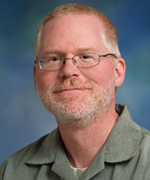
Kermit L. Carraway, III, Ph.D.
Professor
Department of Biochemistry and Molecular Medicine
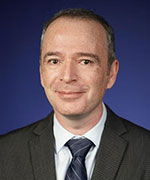
Vladimir Filkov, Ph.D.
Special Role: Advisor on Artificial Intelligence
Professor, Department of Computer Science
Vladimir Filkov is a data scientist specializing in producing analytics from large data sets in the areas of empirical software engineering, systems biology of plants, applied network theory and combinatorial algorithms. He co-directs the DECAL lab, which focuses on evidence-based methods to improve modern software engineering processes. He also works with plant biologists to understand and modify the processes of plant growth using genomic methods.
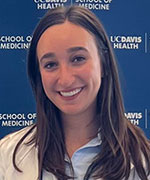
Chiara Anna Giordani
Medical Student in the ARC-MD Program
Chiara is a first-generation Italian-American, and she completed high school in Sacramento. She attended University of California, Los Angeles, for her undergraduate education, where she earned a B.S. in Molecular, Cell, and Developmental Biology and a B.A. in Italian. During her undergraduate studies, she joined a Neural Tumor Research Lab, which introduced her to translational research. This experience informed her decision to return to Sacramento and pursue a M.S. in Molecular, Cellular, and Integrative Physiology at University of California, Davis, prior to starting medical school. During graduate school, she developed an interest in computational biology, which is her current research focus as a medical student.
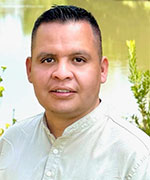
Gonzalo Hernandez Hernandez, Ph.D.
UC Davis Chancellor’s Postdoctoral Fellow
ghernandezh@health.ucdavis.edu
Gonzalo Hernandez-Hernandez is a computational biophysicist and UC Davis Chancellor’s Postdoctoral Fellow. He earned a Ph.D. in Biophysics at the University of California, Davis, in 2022 under the mentorship of Colleen Clancy. His doctoral research focused on computational modeling of vascular signaling pathways and smooth muscle function.
He develops mechanistic and multiscale computational models to study how drugs and inherited mutations alter vascular smooth muscle behavior. His work integrates molecular signaling, cellular electrophysiology, and tissue-level dynamics to improve understanding of cardiovascular disease mechanisms and support precision medicine strategies for antihypertensive therapy.
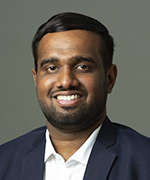
Dharan Sankar Jaisankar, M.S.
Assistant Specialist – AI and Informatics
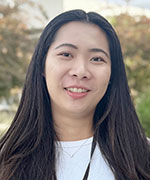
Yen Her-Lai
Ph.D. Student in Biomedical Engineering
Yen-Her Lai is a Ph.D. student at the Center for Precision Medicine and Data Sciences under the supervision of Igor Vorobyov. Her research integrates molecular dynamics simulations, structure-based modeling, and machine learning to study how genetic variation alters cardiac sodium channel function and drug response. Her long-term goal is to advance precision cardiology by linking genotype-specific molecular mechanisms to individualized therapeutic strategies.
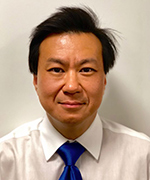
David Liem, M.D., Ph.D. (Research Profile)
Associate Professor
Department of Internal Medicine
Division of Cardiovascular Medicine
As a physician-scientist in cardiovascular medicine, Liem's focus has been in basic (translational) science combining cardiovascular research with computational biology. He has an expertise in the pathophysiology of ischemic heart disease (ischemia-reperfusion injury), and cardiomyopathies leading to heart failure (HFrEF, HFmEF, HFpEF). Liem has been conducting strategies in computational biomedicine and text mining to uncover molecular (multi-omics) underpinnings and biological pathways via data science and bioinformatics approaches. Liem is currently studying how social determinants of health (SDoH) affect the clinical phenotypes and outcomes in heart failure patients.
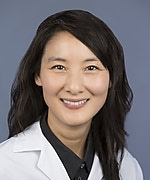
Deborah K Lieu, Ph.D.
Associate Professor
Department of Internal Medicine
Lieu's research focuses on the mechanisms underlying the differentiation and maturation of human induced pluripotent stem cell (hiPSCs) into pacemaking cardiomyocytes for engineering biopacemakers and contractile cardiomyocytes for cell replacement therapy after heart attack.
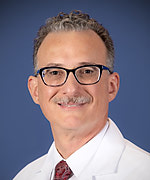
Javier E. Lopez, Ph.D.
Professor in Residence
Division of Cardiovascular Medicine
Department of Internal Medicine; Professor
Javier E. Lopez is interested in studying how soluble factors may regulate the transition of cardiac myocytes from regeneration during fetal growth to hypertrophic growth postnatally. It is postulated that the lack of cardiac regeneration in the postnatal heart confounds the myocyte dysfunction, cell death and tissue fibrosis that is associated with decompensated heart failure. Our global hypothesis is that by manipulating the cardiac gene program of the failing heart with soluble factors (drugs), we may augment endogenous and/or transplanted cardiac myocyte regeneration to ameliorate the progression of left and/or right ventricular failure. My laboratory focus is in studying the fundamental mechanisms of this growth transition to enhance the translational efficacy of soluble factors (drugs) and cell-based strategies (stem-cells) for cardiac regeneration in the failing heart.
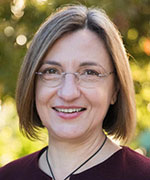
Laura Marcu, Ph.D.
Professor, Department of Biomedical Engineering
Director, NIH-NIBIB National Center for Interventional Biophotonics Technologies (NCIBT)
Marcu’s group is best known for researching and engineering fluorescence lifetime-based instrumentation and multimodal imaging systems that enable studies of the molecular, metabolic and morphologic changes in living systems ranging from biological cells and animal models to human patients. Her research targets unique applications that impact clinical management of critical human disease, with an emphasis on three distinct areas: cardiovascular systems (intravascular diagnostics), oncology (intraoperative delineation of surgical margins) and regenerative medicine (tissue engineering).
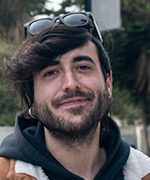
Diego Lopez Mateos, Ph.D.
Postdoctoral Fellow
dlopezmateos@health.ucdavis.edu
Diego Lopez Mateos is a postdoctoral researcher working at the intersection of biophysics, protein design, and precision medicine. By modeling ion-channel conformational landscapes, his research seeks to connect genetic variation at the single-residue level with emergent differences in channel function and pharmacological response across individuals, while leveraging these insights to design therapeutic modulators (including mini-proteins, antibodies, and macrocycles) that precisely target relevant channel states. In parallel, he develops data-driven approaches that integrate structural biology with clinical, patient-level records from large relational health databases to help connect molecular mechanisms to disease phenotypes and treatment response. Diego earned his undergraduate degree at the Technical University of Madrid (UPM), Spain, and completed his PhD in Biophysics at the University of California, Davis as a Fulbright Fellow.
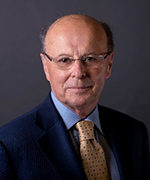
Frederick J. Meyers, M.D., M.A.C.P. (Research Profile)
Director of Educational Programs
916-734-2412
fjmeyers@health.ucdavis.edu
Fred Meyers is Distinguished Professor of Internal Medicine (as a of July 1, 2020) at the University of California Davis. His career interests include multifaceted investigations of advanced cancer (molecular biology, clinical trials, palliative care) and training the next generation of scientists. He has served UC Davis as chief of hematology/oncology, chair of the department of medicine and vice dean of the school of medicine. He currently leads the Center for Precision Medicine and Data Sciences. His national leadership in career development has been recognized with many training grants, service to NIH, and as President of the Association of Clinical and Translational Science 2019-2020. He received the 2020 Chancellor’s award for Diversity and Community Service.
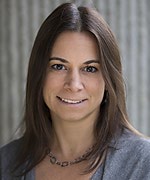
Diana L. Miglioretti, Ph.D., ScM
Professor and Division Chief of Biostatistics
Public Health Sciences
dmiglioretti@health.ucdavis.edu
Diana Miglioretti’s primary methodological research interests are in multilevel and latent variable models, longitudinal and clustered data analysis, and the evaluation of screening and diagnostic tests. The majority of her collaborative research is in the areas of breast cancer screening and radiation exposure from medical imaging.
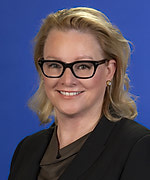
Elizabeth Anne Morris, M.D.
Chair and Professor
Department of Radiology
Morris has conducted expensive research optimizing the use of newer techniques such as magnetic resonance imaging (MRI) to detect breast cancer early, with the goal of finding breast cancer lesions when they are small and treatable. She is a pioneer in high-risk breast cancer screening. She has authored a book “Breast MRI: Diagnosis & Intervention”. In collaboration with her colleagues she has written over 230 papers, 40 chapters and 5 books about breast disease. Morris lectures widely both nationally and internationally at over 320 conferences and has mentored over 50 international research fellows. She has grants from NCI, RSNA, Komen Foundation, and Breast Cancer Research Foundation. Her recent research efforts have involved looking at imaging biomarkers to assess risk and treatment response. She is PI of a $3.6 million grant from GRAIL to use circulating fragments of tumor DNA in the plasma to distinguish between benign and malignant BI-RADS 4 lesions in the hopes that some day early detection of breast cancer may be possible before imaging abnormities appear.
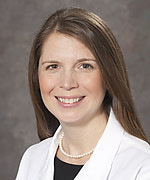
Bryn Elissa Mumma, M.D., M.A.S.
Professor
Department of Emergency Medicine
Bryn E. Mumma is an emergency medicine physician in Sacramento, California and is affiliated with UC Davis Medical Center. She received her medical degree from Perelman School of Medicine at the University of Pennsylvania and has been in practice between 11-20 years.
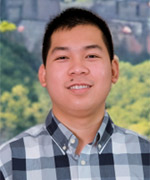
Khoa Ngo, Ph.D.
Postdoctoral Fellow
Khoa Ngo is a computational biophysicist working at the intersection of structural modeling, molecular simulation, and machine learning to understand how drugs interact with proteins in the body, particularly those involved in cardiovascular function. His research focuses on predicting how drug responses change based on the shapes these proteins adopt and how genetic mutations affect their behavior, with the goal of making treatments safer and more tailored to each individual.
He earned his Ph.D. in Biophysics from UC Davis in 2024, where he developed computational models that help explain why certain drugs can disrupt heart function and cause cardiotoxic side effects. He has also contributed to projects in pain therapeutics, heart rhythm disorders, and enzyme engineering. His goal is to advance drug development by using computational tools to design safer, more effective, and more tailored treatments that improve patient outcomes.
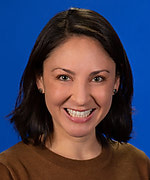
Jennifer Lynn Rosenthal, M.D., M.A.S.
Associate Professor
Department of Pediatrics
Rosenthal's research focuses on using telehealth to improve the safety and quality of patient care. She has a special interest in improving transitions of care such as hospital-to-hospital transfers.

Ashley Joy Ruiz
Administrative Assistant
Center for Precision Medicine and Data Sciences
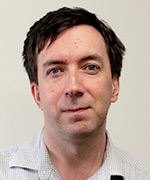
Igor Vorobyov, Ph.D.
Associate Professor
Department of Physiology and Membrane Biology
Research in our laboratory focuses on using computer modeling and simulation techniques, such as molecular docking and molecular dynamics, to study interactions of drugs and other small molecules with membrane associated and water soluble proteins of biomedical significance. In particular, we have been using atomistic computational models to reveal molecular mechanisms of voltage-gated sodium and potassium channel ion conduction and drug binding: Voltage-gated sodium (NaV), potassium (KV) and calcium (CaV) channels are integral membrane transport proteins, which are crucial components of electrical signaling in excitable cells and are key targets for therapeutics used for cardiac and neurological disorders.
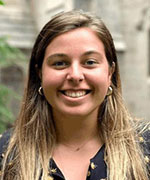
Hannah Marie Zukowski
Biomedical Engineering Ph.D. Candidate at UC Davis