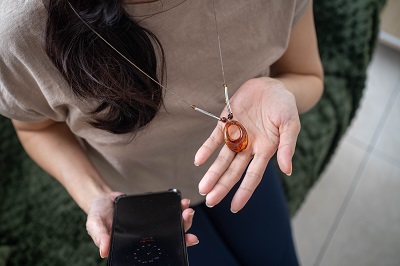
Bulletin: Use of AI-enabled wearable devices at UC Davis Health
(SACRAMENTO)
This bulletin serves as a quick reminder about the use of AI-enabled wearable devices at UC Davis Health. While Compliance and Privacy Services recognizes the utility of and growing interest in wearable and AI-assisted tools,unauthorized AI-enabled wearable devices must not be used for any work-related purpose and must remain powered off while at work.This includes AI glasses, watches, necklaces, rings, earbuds and similar devices. The only current exception is for a device that has been formally reviewed and approved by UC Davis Health Information Technology through theRequest New Technology Initiativesprocess.
As healthcare professionals, we all know protecting privacy, confidentiality and trust is foundational. Many of these AI-enabled devices can record, listen, capture images, collect data through sensors and process data in the cloud that may be confidential, including personal information and protected health information. These activities, without an executed business associate agreement or other confidentiality agreement with UC Davis Health, may violate existing policy and could result in reportable privacy or security incidents, exposing the institution to possible regulatory consequences and civil liability.
What Compliance and Privacy Services is asking regarding AI-enabled wearable devices:
Do not use unauthorized AI-enabled wearable devices to perform work duties.
Ensure unauthorized AI-enabled wearable devices are powered off at any UC Davis Health location or while providing care.
Do not activate recording, listening, image-capture, or other data-capture features on unauthorized AI-enabled wearable devices in any UC Davis Health work setting.
This guidance applies to all UC Davis Health clinical, administrative and support roles and helps ensure we remain compliant with privacy, security and regulatory obligations, while maintaining a safe and respectful environment for patients, visitors and colleagues. Following this expectation will help avoid unauthorized disclosures or transmission of confidential information that could trigger breach reporting, enforcement action or liability.
Thank you for your understanding and for your continued commitment to protecting our patients, our colleagues, and our organization.
AI-Enabled Wearable Devices FAQ
Q: What are AI-enabled wearable devices? AI-enabled wearable devices are consumer or specialized wearables that may include features such as audio or video recording, voice assistance, real-time data processing, cloud connectivity and environmental sensing. Examples include AI glasses, watches, necklaces, rings, earbuds and similar devices marketed as hands-free assistants or smart accessories.
Q: Why aren’t AI-enabled wearable devices allowed for work use? In healthcare settings, these devices may pose risks related to patient privacy, data security, confidentiality and trust. This risk is especially high when recording, listening, image capture or other data collection occurs, even unintentionally. Many of these devices also rely on cloud-based AI services that are not contracted with UC Davis Health to safeguard confidential information, which can create compliance concerns and potential reportable incidents.
Q: Can I wear AI-enabled wearable devices if they are turned off? Yes. AI-enabled wearable devices may be worn in the workplace only if they remain powered off and inactive while at work, unless they have been formally reviewed and approved for work-related use.
Q: Does this apply to nonclinical staff? Yes. This guidance applies to all workforce members, including clinical, administrative and support staff, because confidential information, as defined in UC Davis Health AdministrativePolicy 2902, may be present in many work areas.
Q: What if I think an AI-enabled wearable device could help improve care or efficiency? We welcome innovation. Pleasereach out to ITto seek formal review and approval before any work-related use.