
Emergency CareMay 29, 2026
Naloxone use during cardiac arrest linked to improved survival
Researchers encouraged by study that shows benefits to drug often used for opioid overdose reversal and call for clinical trial
(SACRAMENTO)
A new study by emergency medicine researchers at UC Davis Health set out to assess the effects of naloxone administration by first responders treating patients with out-of-hospital cardiac arrest (OA-OHCA).
The study, published in Jama Open Network, found naloxone administration during resuscitation by emergency medical service (EMS) personnel was associated with improved outcomes in patients with suspected OA-OHCA.
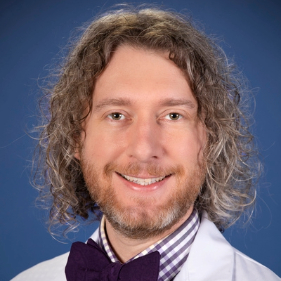
“This study provides important real-world evidence that naloxone may offer benefit even after cardiac arrest has occurred.”—David Dillon
What the data shows
For this retrospective cohort study (looking back at existing patient records), researchers collected data from the California Resuscitation Outcomes Consortium between 2021-2022. In total, 3,811 patients with suspected OHCA were treated by EMS.
Researchers found that people who received naloxone, a medication better known for reversing opioid overdoses, had higher rates of survival from the time they were treated by EMS to the time they were discharged from the hospital. The patients also benefitted from return of spontaneous circulation (ROSC) and favorable neurological outcomes compared to those who did not receive the drug.
The key findings included:
- Survival to hospital discharge was higher among those receiving naloxone (8.1%) compared to those who did not (4.4%).
- Naloxone use was associated with a 2.8% absolute increase in survival, after accounting for patient and clinical factors.
- People treated with naloxone had improved neurologic outcomes (+3.2%) and ROSC (+3.3%).
- Benefits were even greater among those with EMS-suspected drug-related cardiac arrest, with survival improvements approaching 8–9%.
The study also found that the association between naloxone and improved outcomes was weakened in certain situations — particularly among patients who required epinephrine during resuscitation — suggesting. This suggests that timing, patient condition or resuscitation complexity may influence effectiveness.
Addressing a critical gap
Opioid overdose deaths in the United States have surged over the past two decades, contributing to a growing number of cardiac arrests outside the hospital. While naloxone is widely used to reverse opioid overdoses, its role during cardiac arrest has remained unclear and is identified by the American Heart Association as a key evidence gap.
“This study provides important real-world evidence that naloxone may offer benefit even after cardiac arrest has occurred,” said David Dillon, assistant professor of emergency medicine at UC Davis Health and one of the study’s authors. “While these findings are promising, randomized controlled trials are needed to determine whether naloxone directly improves survival in opioid-associated cardiac arrest.”