Gastrointestinal Surgery
Our gastrointestinal surgeons specialize in advanced, minimally invasive laparoscopic and robotic-assisted surgeries to treat common and rare digestive system disorders.
Medically reviewed by Victoria Lyo, M.D. on Aug. 13, 2025.

Minimally Invasive Gastrointestinal Surgery
Your gastrointestinal (GI) system includes your esophagus (food pipe), stomach, gallbladder and intestines. Together, these organs make up your digestive system.
GI conditions can cause pain, bloating and acid reflux. Some of these conditions may respond better to surgical treatments than medications.
At the UC Davis Health Department of Surgery, we specialize in common to complex GI surgeries. When appropriate, our team uses advanced laparoscopic and robotic surgery technology to perform procedures through smaller incisions. We help you feel better and recover faster.
On this page
GI Surgical Approaches
GI surgeons at UC Davis Health treat all types of digestive tract conditions. We specialize in minimally invasive laparoscopic and robotic-assisted GI surgeries. These treatments can lessen your pain and help you return to daily activities faster.
Anti-Reflux Surgery: Hiatal Hernia Repair and Fundoplication
A hiatal hernia occurs when the upper part of your stomach pushes through your diaphragm muscle. To repair a hiatal hernia, surgeons bring the stomach into the abdomen and close the hole in the diaphragm. We may also perform a fundoplication to wrap the stomach around the lower esophagus. This creates a new valve that prevents acid from moving into the esophagus.
Heller Myotomy for Achalasia
A Heller myotomy treats esophageal disorders like achalasia. This rare swallowing disorder makes it hard for food and drinks to move from your esophagus into your stomach. Our doctors cut certain muscles in your esophagus and stomach to relax them. This allows food and liquids to pass through.
Request an Appointment
As Sacramento's No. 1 hospital, you'll benefit from unique advantages in primary care and specialty care. This includes prevention, diagnosis and treatment options from experts in 150 specialties.
Referring Physicians
To refer a patient, submit an electronic referral form or call.
Patients
Call to make an appointment.
Consumer Resource Center
Preparing for GI Surgery
Your care team will discuss how to prepare for GI surgery. They’ll also help you understand what to expect during and after the procedure. Please follow your provider’s instructions to ensure the best outcome.
-

Before GI Surgery
You may undergo testing at our Surgery Foregut and Esophageal Motility Center to determine whether you need GI surgery. Before surgery, you shouldn’t eat, drink or take medications for a certain number of hours. Your steps may vary depending on the surgery type and underlying condition.
-
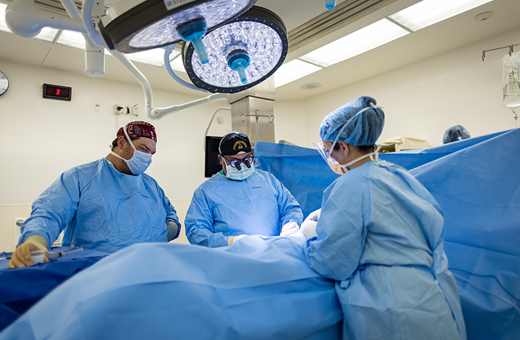
During GI Surgery
You receive general anesthesia to help you sleep through the surgery. Our surgeons have advanced fellowship training in minimally invasive stomach and esophageal surgical procedures.
-
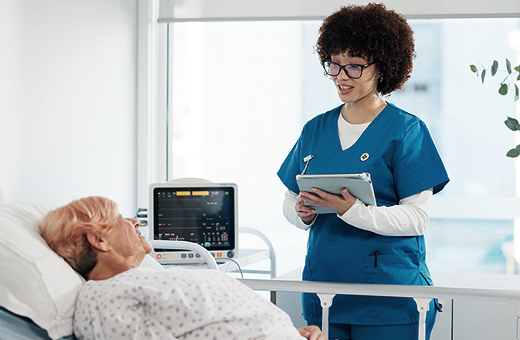
After GI Surgery
You may stay one night in the hospital to ensure you can tolerate liquids and walk and move comfortably. Depending on the surgery, you may follow a special diet afterward.
Home Care After GI Surgery
Your at-home recovery will depend on the type of surgery. You should follow your care team’s instructions.
Take Your Medications
Take medications for pain and other symptoms as prescribed by your provider.
Consider Your Meals
Your diet depends on the surgical procedure. You may need to eat soft foods and avoid spicy dishes until your provider says you can resume a normal diet.
Don’t Overdo It
Your whole body, including your digestive system, needs time to heal after surgery. Your provider may recommend short walks or light activity instead of vigorous workouts.
Awards and Recognitions
Ranked among the nation’s best hospitals
A U.S. News & World Report best hospital in cardiology, heart & vascular surgery, diabetes & endocrinology, ENT, geriatrics, neurology & neurosurgery, and pulmonology & lung surgery.
Ranked among the nation’s best children’s hospitals
U.S. News & World Report ranked UC Davis Children’s Hospital among the best in pediatric nephrology, orthopedics*, and pulmonology & lung surgery. (*Together with Shriners Children’s Northern California)
Ranked Sacramento’s #1 hospital
Ranked Sacramento’s #1 hospital by U.S. News, and high-performing in aortic valve surgery, back surgery (spinal fusion), COPD, colon cancer surgery, diabetes, gynecological cancer surgery, heart arrhythmia, heart failure, kidney failure, leukemia, lymphoma & myeloma, lung cancer surgery, pacemaker implantation, pneumonia, prostate cancer surgery, stroke, TAVR, cancer, orthopedics, gastroenterology & GI surgery, and urology.
The nation’s highest nursing honor
UC Davis Medical Center has received Magnet® recognition, the nation’s highest honor for nursing excellence.
World-class cancer care
One of ~59 U.S. cancer centers designated “comprehensive” by the National Cancer Institute.

A leader in health care equality
For the 13th consecutive year, UC Davis Medical Center has been recognized as an LGBTQ+ Healthcare Equality Leader by the educational arm of America’s largest civil rights organization.
Latest Surgery News
-
MARCH 04, 2026
Teenage daughter’s bone marrow saves dad’s life