Outperformed both national expectations and the national average in terms of transplanted organ survival
Experienced significantly better survival waiting for a liver compared with national benchmarks
Received transplants much faster than the national average, resulting in substantially shorter wait times
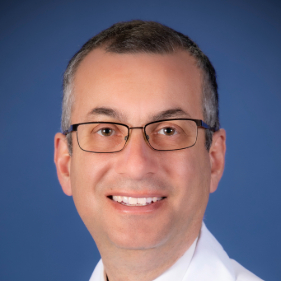
“This report reflects our continued growth and our unwavering commitment to innovation, quality and patient‑centered care,” said Sophoclis Pantelis Alexopoulos, chief of Transplantation at UC Davis Health. “These outcomes demonstrate that UC Davis is among the top‑performing transplant programs not only in California, but across the West Coast.”
“These outcomes demonstrate that UC Davis is among the top‑performing transplant programs not only in California, but across the West Coast.”—Sophoclis Pantelis Alexopoulos
Patient survival results
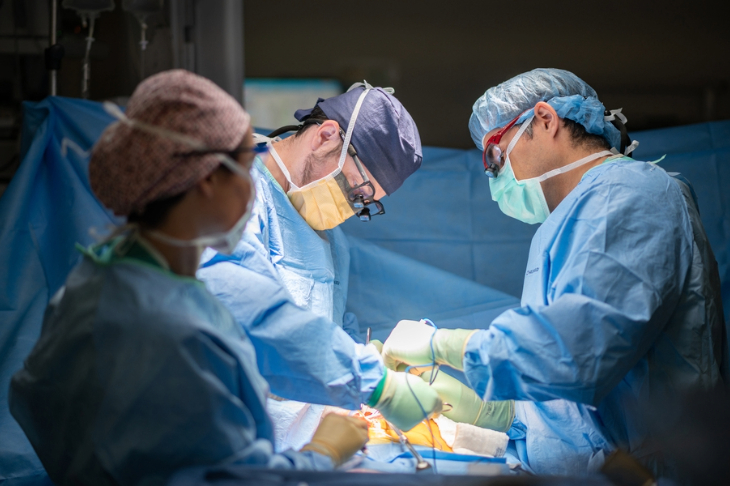
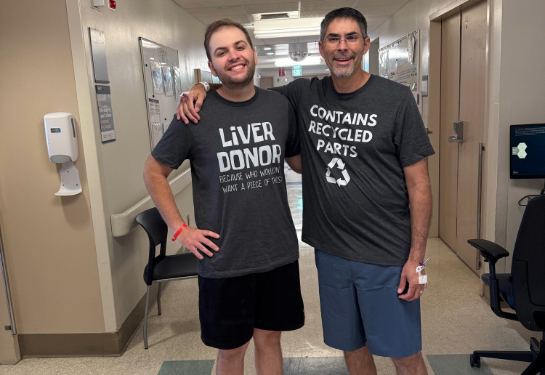
In 2025, the UC Davis liver transplant program performed 59 liver transplants, including 58 livers from deceased donors and one partial liver from a living donor. The program is on pace to perform approximately 70 transplants in 2026.
Most notably, the program achieved a patient survival rate and graft survival rate that exceeded expectations for the reporting period. By comparison, nationally, about 90% of liver transplant patients survive one year, and approximately 92% experience successful graft survival, defined as continued function of the transplanted liver.
“These outstanding results reflect the extraordinary dedication and collaboration of our entire liver transplant team,” said Melissa Blevins, executive director of the UC Davis Transplant Center. “From our surgeons and hepatologists to our anesthesiologists, advanced practitioners, nurses, coordinators, and support staff, every member of this multidisciplinary team plays a critical role. Together, they work tirelessly to deliver compassionate, high‑quality care and achieve the best possible outcomes for our patients.”
Waiting list outcomes
During the most recent reporting period, patient deaths on the transplant waiting list at UC Davis Health were 65% lower than expected when compared with national benchmarks, reflecting strong patient care and timely access to transplantation.
According to the latest SRTR report, UC Davis Health recorded 8.1 observed waiting‑list deaths, compared with an expected 32.9 deaths based on national data. This corresponds to a pre‑transplant mortality ratio of 0.35, meaning patients waiting for a transplant at UC Davis experienced significantly better survival than expected.
“Survival on the waiting list is one of the most important indicators of a transplant program’s effectiveness,” said Lydia Aye, medical director of transplant hepatology at the UC Davis Transplant Center. “These results show that our patients are being carefully managed, closely monitored and moved to transplant when they need it most. By combining early referral, proactive care, and timely access to transplantation, we’re helping patients stay healthier while they wait — and improving outcomes even before surgery.”
The UC Davis liver transplant program performed 59 liver transplants in 2025.
Shorter wait times for transplant
Compared with national averages, UC Davis Health performs transplants at a markedly faster pace, leading to shorter wait times and quicker access to life‑saving transplants.
The SRTR report shows UC Davis Health is performing nearly four transplants per patient per year. This compares with approximately 1.2 transplants per patient per year nationwide.
“This higher transplant rate translates into substantially shorter wait times, allowing patients to receive life‑saving transplants sooner,” said Lea K. Matsuoka, section chief for liver transplantation and hepatobiliary surgery at the UC Davis Transplant Center. “Reducing time on the waiting list is critical, and faster access to transplantation directly supports better patient outcomes.”
The shorter wait times for transplant patients can be attributed in part to the use of a novel technology called liver perfusion.
Approved by the Food and Drug Administration (FDA), perfusion is the process of circulating fluid and oxygen through a liver that’s already been removed from a donor but not yet transplanted. The process preserves the liver’s function and potentially enhances the recovery process for patients.
Perfusion involves the donated liver being placed inside a sterile steel container attached to a ventilator, pump and filters. Within the container, the liver is maintained at normal body temperature and perfused with oxygenated and nutrient-enriched blood through the organ.
While the liver is on the pump, the team assesses its function to ensure it is ideal for transplantation. This has allowed for an increase in the use of available donor livers.
“The utilization of machine perfusion technology has allowed us to transplant at a rate above the national average,” explained Matsuoka. “This method helps us ease the transplant waiting list and successfully transplant more of our patients.”