
Internal Medicine Residency
IMPACCT Program
Overview
The IMPACCT Program (Integrated Medicine, Psychiatry and Addiction Curriculum and Community Transformation) is a workforce development initiative led by UC Davis Health. It focuses on strengthening the ability of primary care physicians to deliver integrated medical, mental health, and addiction care—especially in underserved and rural communities across California.
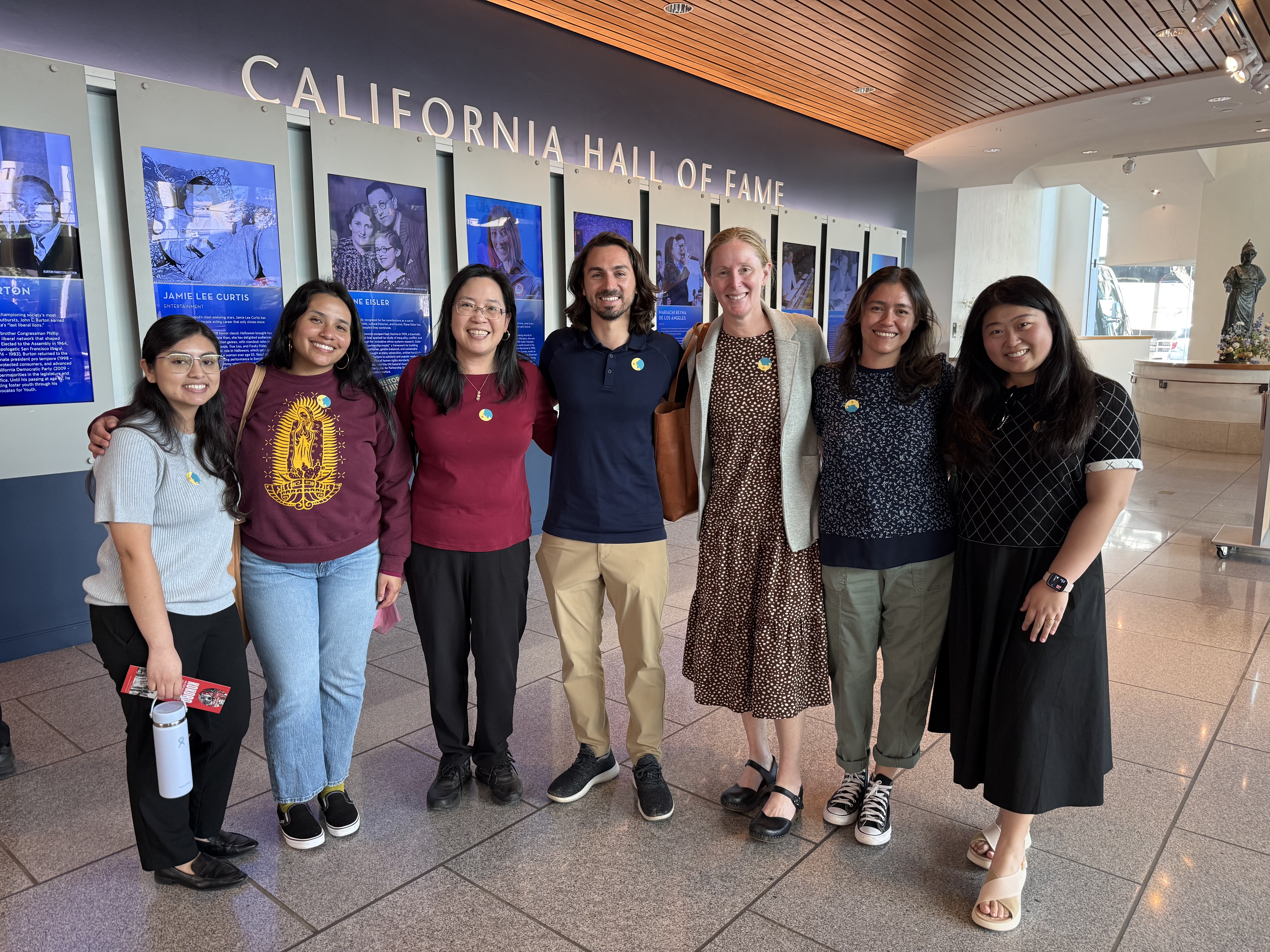
Museum visit to California Museum's exhibit on displacement of Sacramento's Japanese American community during WWII
Why This Matters
California faces a critical shortage of both primary care and behavioral health providers, particularly in rural and underserved regions. This gap affects access to mental health care, addiction treatment, and comprehensive whole‑person care.
- Many communities lack enough physicians trained in both medical and behavioral health care
- Rural areas experience some of the highest shortages and health disparities
- Primary care clinicians already deliver a large portion of mental health care—but often without formal training
IMPACCT addresses this need by preparing physicians with integrated skills to better meet community needs.
What We Do
IMPACCT develops and delivers a comprehensive, case-based training program that combines primary care and behavioral health education.
Core Components
- Integrated Curriculum
A practical, open-access 20-topic curriculum covering mental health, substance use, and whole-person care - Hands-On Clinical Training
Rotations in primary care, psychiatry, addiction medicine, and rural health settings - Skills-Based Learning
Includes simulations, case discussions, and applied clinical exercises - Collaborative Learning
Partnerships to share lessons learned, support local adaptation, and complement existing initiatives
Who We Serve
The program is designed to improve care for populations who face the greatest barriers:
- Medi‑Cal patients
- Uninsured individuals
- Rural and underserved communities
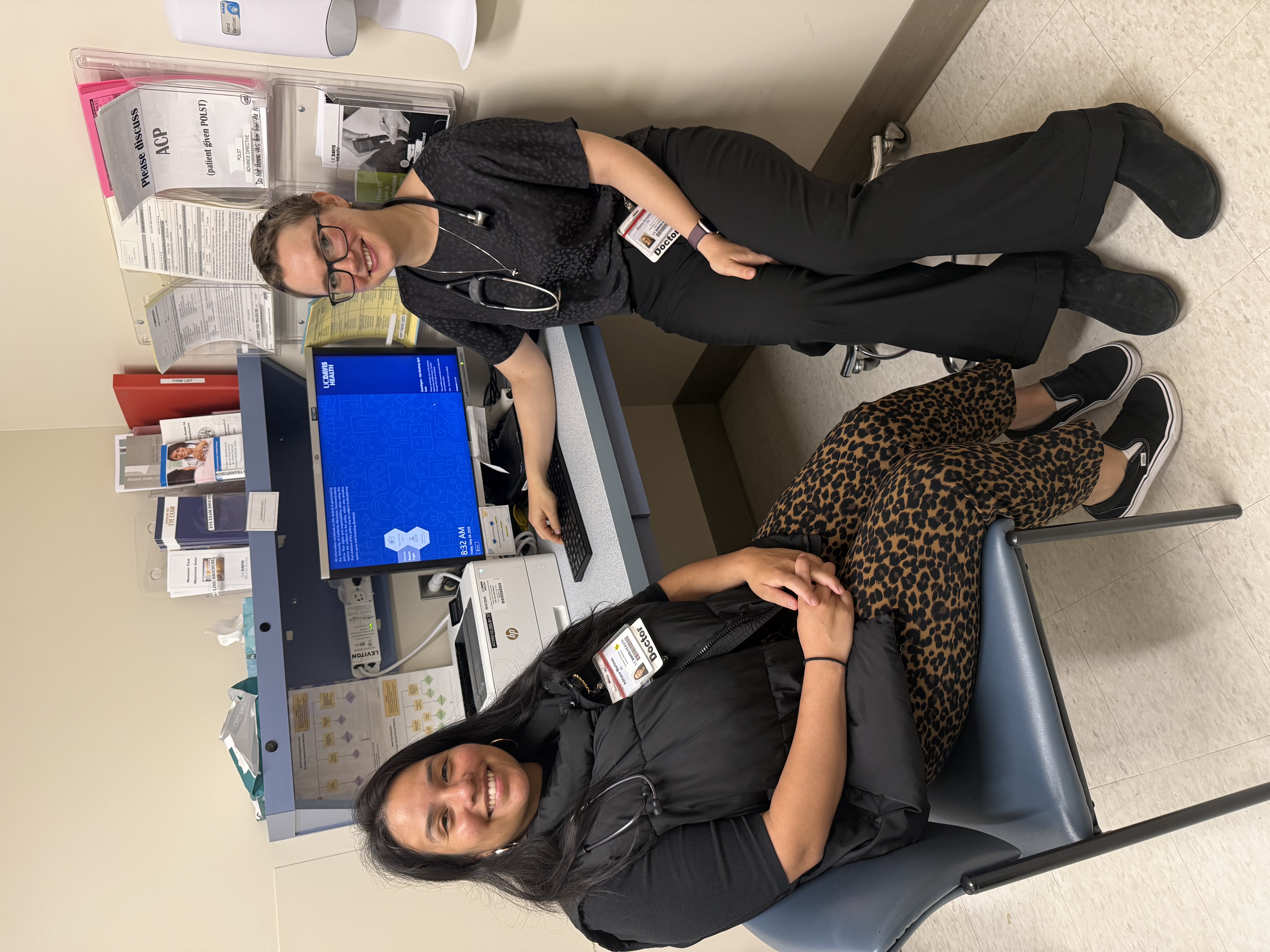
Residents in Med/Psych clinic
Program Goals
Over a 24-month period, IMPACCT aims to:
- Train and graduate physicians with integrated primary care and behavioral health expertise
- Launch a dedicated residency training track at UC Davis Health
- Expand training opportunities in rural California
- Share a free, open-access curriculum statewide
Expected Impact
IMPACCT is designed to produce measurable, lasting change:
- Increased number of physicians working in underserved communities
- Expanded access to mental health and addiction care within primary care settings
- Improved patient outcomes through integrated, coordinated care
- A scalable training model that can be adopted across California
Statewide Reach
Through partnerships with the COMET (California Oregon Medical Education and Training) collaborative (30+ training programs and community health centers), IMPACCT supports a growing network committed to improving access to care across California.
Looking Ahead
IMPACCT is building a sustainable, scalable model that will:
- Continue as a permanent training track at UC Davis Health
- Expand to additional residency programs statewide
- Strengthen the healthcare workforce where it’s needed most
Leadership
Project Leads:
Jeremy DeMartini, M.D.
Training Director, Combined Internal Medicine/Psychiatry
UC Davis Health
jmdemartini@health.ucdavis.edu
Sara Teasdale, M.D.
Training Director, Internal Medicine Primary Care
UC Davis Health
srteasdale@health.ucdavis.edu
Program Team:
Elora Negose, M.D.
Curriculum Lead
Melody Tran-Reina, M.D.
Rural Partnerships Lead
Jennifer Rosenthal, M.D.
Implementation Science Expert
Nancy Lu
Program Manager
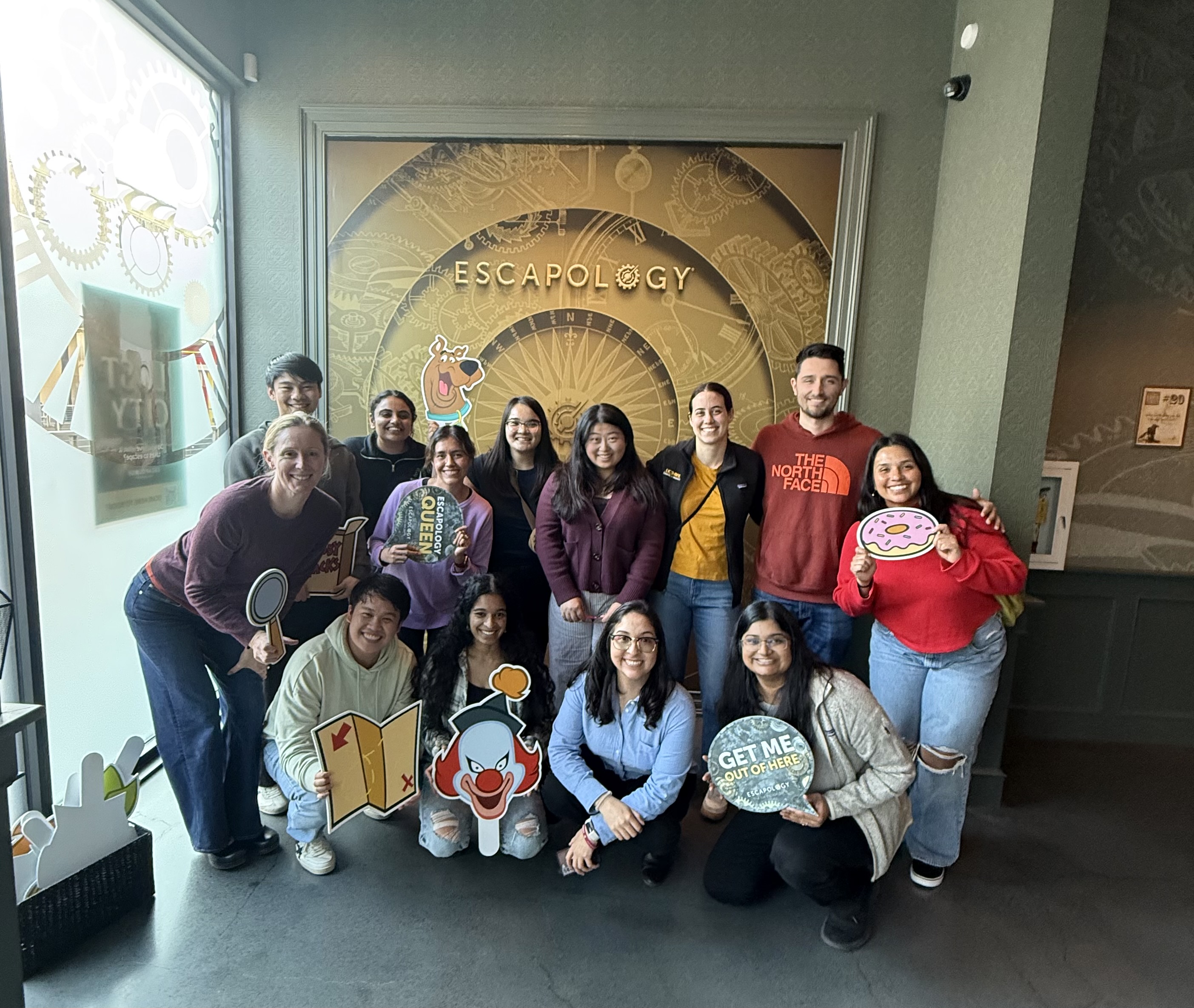
Primary Care residents with Sara Teasdale (PC Program Director) and Elora Negose (PC Associate Program Director) at Escapology for wellness retreat