Heart and Vascular
Structural Heart Disease
Our heart and vascular experts offer advanced, compassionate care for all types of structural heart disease.
Medically reviewed by Gagan Singh, M.D. on Jan. 12, 2026.
Excellent Care for Patients with Structural Heart Disease
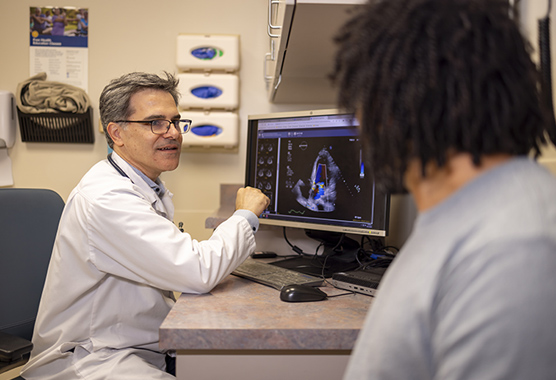
UC Davis Health heart and vascular experts have a national reputation for excellence in structural heart disease treatments for adults and children. You can feel confident when you choose our experts for all your heart health needs.
Your treatment is customized to your specific needs and by a collaborative team. The team includes cardiologists, heart surgeons and interventional cardiologists who perform treatments through thin tubes (catheters) inside blood vessels. Our skilled and compassionate experts work with you to provide effective care for your unique diagnosis and needs.
On this page
What Is Structural Heart Disease?
Structural heart disease affects your heart valves or heart tissue. Damage or changes to these heart structures can affect how well your heart pumps blood. Structural problems can also affect your heart’s electrical system, which controls your heartbeat.
Some people are born with structural heart problems known as congenital heart defects. You may need treatment as a child and adult. Some types of adult congenital heart disease develop later in life.
Types of structural heart disease include:
- Coronary artery fistula: Your coronary arteries carry oxygen-rich blood to your heart. A coronary artery fistula connects to the wrong heart chamber or another blood vessel.
- Hole in heart: A hole in the tissue wall (septum) that separates the heart’s left and right sides affects blood flow between heart chambers.
- Valvular heart disease: Valvular heart disease occurs when a heart valve is too stiff, narrow, misshapen, missing, or incompetent. It affects the flow of blood through heart chambers, leading to a backup of fluid and pressure, causing congestion and difficulty breathing.
Symptoms of Structural Heart Disease
Signs of structural heart disease depend on the type and severity of your condition. Some people never have symptoms. You’re more likely to notice symptoms as a heart condition worsens.
Common Symptoms
Common signs of structural heart disease include:
- Chest pain
- Cough
- Dizziness
- Fainting
- Fatigue
- High blood pressure (hypertension)
- Irregular heartbeat (arrhythmia)
- Kidney problems
- Shortness of breath
- Swelling in your ankles, feet or belly
Emergency Symptoms
In rare instances, structural heart disease can affect your heart rhythm and cause a heart attack. Call 911 immediately if you experience heart attack symptoms, such as:
- Chest pain that radiates to your arms or shoulders
- Cold sweats
- Indigestion
- Nausea or vomiting
Causes and Risk Factors of Structural Heart Disease
Structural heart disease may be present at birth (congenital) or appear later in life due to age, illness, medical treatments or other factors. The exact cause of congenital heart defects is not known.
Certain factors increase your risk of developing structural heart disease, including:
Age
People older than 75 are more likely to develop heart valve disease.
Autoimmune Diseases
Certain autoimmune diseases, such as lupus, can damage heart structures.
Endocrine Disorders
Diabetes and thyroid disorders increase your risk.
Heart Conditions
A heart attack, high blood pressure, coronary artery disease, and other conditions can affect the heart's structure and function.
Infections
Infections, such as rheumatic fever and endocarditis, can damage heart valves.
Radiation Therapy
High-dose radiation therapy to treat cancers in the chest can damage heart tissue.
Substance Use
Alcohol and drug use can cause structural heart damage.
Diagnosis and Testing for Structural Heart Disease
Your heart doctor (cardiologist) will review your symptoms, family history and medical history and will perform a physical exam. You may also get one or more tests to diagnose the structural heart disease type and severity.
Cardiac (Heart) Catheterization
A heart catheterization allows your doctor to check pressure inside your heart chambers and look for blocked blood vessels.
Echocardiogram (Echo)
An echocardiogram uses ultrasound technology to show how well your heart is working.
Electrocardiogram (ECG/EKG)
An ECG/EKG records your heart’s electrical activity to detect an arrhythmia (irregular heartbeat).
Imaging Tests
A chest X-ray, heart MRI, heart CAT scan, or other medical imaging can detect structural heart problems.
Structural Heart Disease Treatments
Structural heart changes that don’t cause problems may not need treatment. Our cardiologists closely monitor your heart health. If you need treatment, you receive care from nationally recognized structural heart disease experts. We offer advanced procedures.
Transcatheter Heart Procedures
Our doctors specialize in minimally invasive transcatheter procedures, which take place through a catheter (thin, flexible tube) threaded through a blood vessel. We replace or repair heart valves, close coronary artery fistulas and repair holes in the heart. You recover faster with less pain, scarring and blood loss.
Cardiothoracic Surgery
In some people, open-heart surgery to repair or replace heart valves or treat complex structural heart problems may be a better solution. Our cardiothoracic surgeons are nationally recognized for their expertise in treating complex structural heart problems. You undergo surgery with highly skilled experts.
Cardiac Rehab
Specialists at our Cardiac Rehab Program help you recover and regain strength after a heart procedure. Our team of heart, exercise, nutrition and mental health experts work with you to improve your overall health. We were the first in the region to offer this type of heart program.
Preventing Structural Heart Disease
Certain actions may lower your chances of developing structural heart disease as an adult.
Make Heart-Healthy Choices
Good nutrition, physical activity and other lifestyle choices can help protect your heart.
Manage Health Conditions
Take medications and see your provider regularly to manage conditions that damage heart structures, such as diabetes, thyroid disease and high blood pressure.
Seek Help for Substance Use
Seek help to quit tobacco, alcohol or other substances that damage your heart.
Structural heart problems affect
1MAdults and children in the U.S.
More than
5MU.S. adults develop heart valve disease each year
Sources: Centers for Disease Control and Prevention: Congenital Heart Defects
Centers for Disease Control and Prevention: About Heart Valve Disease
Request an Appointment
As Sacramento's No. 1 hospital, you'll benefit from unique advantages in primary care and specialty care. This includes prevention, diagnosis and treatment options from experts in 150 specialties.
Referring Physicians
To refer a patient, submit an electronic referral form or call.
Patients
Call to make an appointment.
Consumer Resource Center
Awards and Recognitions
Ranked among the nation’s best hospitals
A U.S. News & World Report best hospital in cardiology, heart & vascular surgery, diabetes & endocrinology, ENT, geriatrics, neurology & neurosurgery, and pulmonology & lung surgery.
Ranked among the nation’s best children’s hospitals
U.S. News & World Report ranked UC Davis Children’s Hospital among the best in pediatric nephrology, orthopedics*, and pulmonology & lung surgery. (*Together with Shriners Children’s Northern California)
Ranked Sacramento’s #1 hospital
Ranked Sacramento’s #1 hospital by U.S. News, and high-performing in aortic valve surgery, back surgery (spinal fusion), COPD, colon cancer surgery, diabetes, gynecological cancer surgery, heart arrhythmia, heart failure, kidney failure, leukemia, lymphoma & myeloma, lung cancer surgery, pacemaker implantation, pneumonia, prostate cancer surgery, stroke, TAVR, cancer, orthopedics, gastroenterology & GI surgery, and urology.
The nation’s highest nursing honor
UC Davis Medical Center has received Magnet® recognition, the nation’s highest honor for nursing excellence.
World-class cancer care
One of ~59 U.S. cancer centers designated “comprehensive” by the National Cancer Institute.
A leader in health care equality
For the 13th consecutive year, UC Davis Medical Center has been recognized as an LGBTQ+ Healthcare Equality Leader by the educational arm of America’s largest civil rights organization.
Latest Heart and Vascular News
