Opening doors to the future of radiology: Inside the RaISS Program at UC Davis Health
By Phil Wade
Graduation ceremony held for students seeking a head start in a rewarding radiology career
(SACRAMENTO)
UC Davis Healthis opening new pathways into the field of radiology through itsRadiology and Imaging Sciences Scholars (RaISS) program. Designed for community college and early undergraduate students, RaISS provides an inside look at medical imaging, mentorship from faculty and opportunities to explore career paths that are often hidden from early-stage learners.
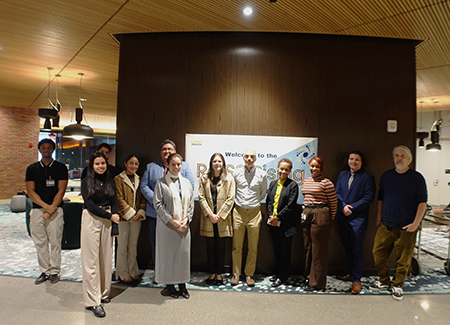
The second class of students curious about a career in radiology have graduated from RaISS. At the ceremony at Aggie Square on Nov. 21, six students were presented certificates by founders of the program.
Launched byFelipe GodinezandTracy Yarbrough, RaISS invites students who might otherwise have little exposure to medicine and radiology to discover what a career in medical imaging can look like; from research and diagnostics to patient interaction and faculty mentorship.
“Students know very little about radiology career fields and, by the time they learn about them by coincidence, making the shift is too great,” said Godinez, an assistant professor in theDepartment of Radiology. “We needed a better way to reach our young community about career options in radiology.”
Examples of radiology careers include radiologist, medical researcher, radiology technologist or other professional roles in medical imaging and biomedical sciences.
A vision for equity and early exposure
Students from marginalized communities often lack exposure to specialized fields like radiology until much later in their academic careers, if ever. RaISS aims to change that by offering early, meaningful access to clinical environments, research opportunities and one-on-one mentorship.
“Even for people with some familiarity with radiology, it’s often hard to appreciate the important role each team member plays,” said Yarbrough, a clinical professor in the Department of Radiology and director of theNuclear Medicine/Diagnostic Radiology Residencyprogram.
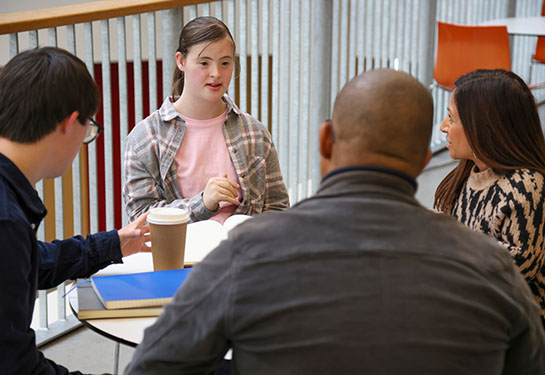
Second class of students to graduate from the RaISS, which is aimed at fostering careers in radiology.
“Everyone, from staff with direct patient contact to those working behind the scenes, plays a big part in delivering patient-centered radiology care. Our program aims to show students the range of opportunities within this field,” Yarbrough said.
Godinez sees the RaISS program as a natural extension of UC Davis Health’s mission to increase diversity in medicine.
“We are leveling the playing field for all who want to come and learn about radiology-related careers,” he said. “The only way to truly prioritize the needs of our community is to open our doors to their young generations.”
That commitment shapes the structure of the program. Students are not treated as passive observers but as junior colleagues. They are given department badges, access to internal resources, and opportunities to work with mentors across disciplines, from diagnostic imaging and interventional radiology to image processing and data analysis. They also engage in research and community-focused projects, learning that medicine is as much about service as it is about science.
Malik Martin completed the RaISS program in 2024 after learning about it throughAvenueM, a community college to medical school pathway initiative. The deep dive into radiology was eye opening.
“Participating in RaISS opened the doorway to a new field of medicine with which I was unfamiliar,” said Martin. “It allowed me to experience what being a radiologist entails, as well as the many different career pathways that originate from and combine to create the field of radiology.”
Mentorship in action
A cornerstone of the RaISS experience is mentorship. Students are paired with faculty and clinical professionals for hands-on exposure, following real patients through the imaging and diagnosis pipeline or assisting with research projects. Some may track a patient from scan to interpretation, while others dive into tasks like data analysis, image processing or literature reviews. These experiences culminate in formal presentations where students showcase career “vision boards” and share how they will use the momentum gained from the RaISS experience. They then reach back into their communities with renewed confidence and a sense of ownership.
“When I became a faculty member at UC Davis, I thought being a good role model and serving as a mentor and educator were key parts of the job,” saidCyrus Batenichief of theDivision of Musculoskeletal Radiology. “Most often we fulfill this in our work with trainees and medical students, but we should be considering others as well.”
“They’ll see their mentors at work, receive career advice and present what they’ve learned at the end,” Godinez added. “We want them to see themselves in this setting and believe their goal is attainable.”
The power of networking
Beyond technical skills, RaISS emphasizes networking. Students learn how to connect with mentors, collaborate with peers and leverage community resources to advance their career paths. These lessons, combined with exposure to professional experiences, prepare them to navigate both the academic and personal demands of a medical career.
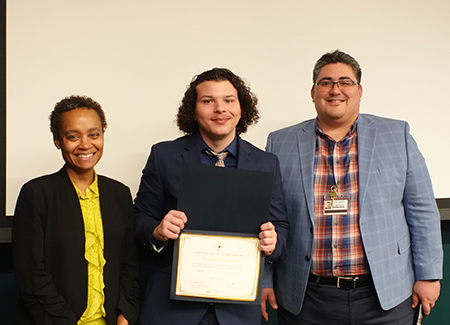
RaISS program directors Tracy Yarbrough (left) and Felipe Godinez (far right) with participant Aundre Canfield.
Opportunities to lead by example aren’t exclusive to just the faculty and staff of the Radiology Department, either. Emphasizing the importance of peer-to-peer networking, Godinez and Yarbrough invited Malik Martin to return as a guest speaker for the 2025 cohort, where he talked about the lessons he learned while going through the RaISS program.
“I strongly believe my experiences are not only beneficial for myself, but for those I support and mentor,” said Martin. “Having completed the program, I was able to provide insight into resources I wished I had taken advantage of as a prospective medical student and also give some ideas for the non-clinical roadmap.”
Aggie Square is central to program
In addition to shadowing their individual mentors, RaISS students also meet regularly at Aggie Square, the innovation district located on the university’s Sacramento campus. There, students participate in group sessions where they’re led through guided discussions, like Martin’s guest presentation, intended to help them gain confidence in themselves, learn new skills, and better understand how medicine is about serving community. These sessions reinforce that RaISS is not just about technical skills, but also about building a supportive community where students learn from one another.
“Aggie Square is a magnificent space,” said Godinez. “It has made meetings accessible to the public without requiring special keyed access and created a comfortable, welcoming environment for students and faculty to interact.”
Looking ahead
Godinez and Yarbrough have ambitious goals for the future, which include expanding student and mentor cohorts, offering stipends and securing funding for student-led research grants.
“RaISS has had a great start, and it’s been well supported,” Godinez said. “In the long term, we want the Radiology Department to gain a reputation as an open-door destination for aspiring college-level students.”
“We really want this program to help develop and retain qualified students,” Yarbrough added. “Whether they choose radiology or not, if our RaISS students are inspired to pursue a career in health care or biomedical sciences, then this program has done its job.”
That vision is already taking root for students like Martin, whose RaISS experience deepened his knowledge of radiology and broadened his outlook on a medical career.
“I started my medical journey steadfast on orthopedic surgery,” he said. “Since graduating from the program, I have also gained an interest in interventional radiology. I am set on attending medical school, and RaISS helped me maintain an open mind when considering which specialties are of interest to me. I highly recommend anyone interested in medicine to consider RaISS to enhance their education.”
UC Davis Comprehensive Cancer Center is the only National Cancer Institute-designated center serving the Central Valley and inland Northern California, a region of more than 6 million people. Its specialists provide compassionate, comprehensive care for more than 100,000 adults and children every year and access to more than 200 active clinical trials at any given time. Its innovative research program engages more than 240 scientists at UC Davis who work collaboratively to advance discovery of new tools to diagnose and treat cancer. Patients have access to leading-edge care, including immunotherapy and other targeted treatments. Its Office of Community Outreach and Engagement addresses disparities in cancer outcomes across diverse populations, and the cancer center provides comprehensive education and workforce development programs for the next generation of clinicians and scientists. For more information, visit cancer.ucdavis.edu.