A little-known respiratory virus, human metapneumovirus, surging in Northern California
By Public Affairs
Young children, older adults and people with weakened immune systems face the greatest risk of serious illness
(SACRAMENTO)
If you came down with a respiratory infection this spring that wasn’t the flu or COVID-19, it may have been a virus you’ve never heard of: Human metapneumovirus orHMPV.
The virus was first discovered in2001but is less well known than its viral relative, RSV (respiratory syncytial virus). Both are in the Pneumoviridae family.
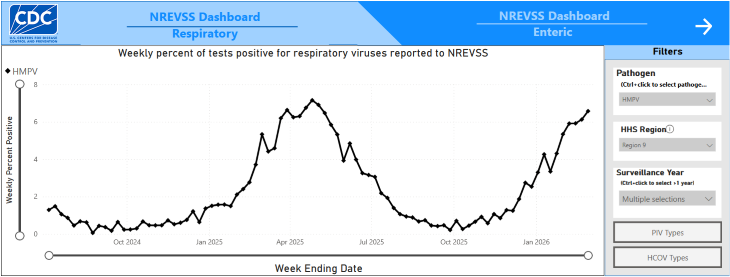
HMPV is seasonal — like the annual flu — and it is currently spiking in the U.S., according to the National Respiratory and Enteric Virus Surveillance System (NREVSS), which monitors viral activity.
WastewaterSCANdata, which tracks pathogens in wastewater, also shows high levels of HMPV in Northern California, including in Sacramento, Davis, Vallejo and San Francisco.
HMPV spreads through direct or close contact with an infected person, including exposure to respiratory droplets, large-particle aerosols, orfomites, which are contaminated objects.
Infection transmits by coughing and sneezing, close personal contact (touching or shaking hands), or touching contaminated objects or surfaces, then touching the mouth, nose or eyes.
HMPV cases are rising in the U.S. and in Region 9, which includes California, Nevada, Arizona and Hawaii.
HMPV typically mild, but can lead to severe disease
“HMPV causes symptoms very similar to RSV,” saidDean Blumberg, chief of pediatric infectious diseases. “This includes upper respiratory symptoms that sometimes progress to pneumonia or bronchiolitis and wheezing.”
He notes that in most people, HMPV is usually mild. But the virus can cause more severe disease, resulting in hospitalization in some cases.
According to Blumberg, infants and young children under 2 years of age are most at risk for complications likebronchiolitis.
“Children born prematurely, with heart or lung disease, or weakened immune systems are at higher risk for severe disease,” Blumberg said. Others at higher risk include those who:
Have weakened immune systems.
Have had organ transplants.
Have cancer.
Take long-term steroids.
Have breathing problems.
Are over 65 years of age.
Symptoms of HMPV
The symptoms of HMPV are similar to those of other viruses that cause upper and lower respiratory infections and may include:
Nasal congestion
Sore throat
Chest congestion
Cough
Fever
For some, the symptoms may progress to bronchitis or pneumonia.
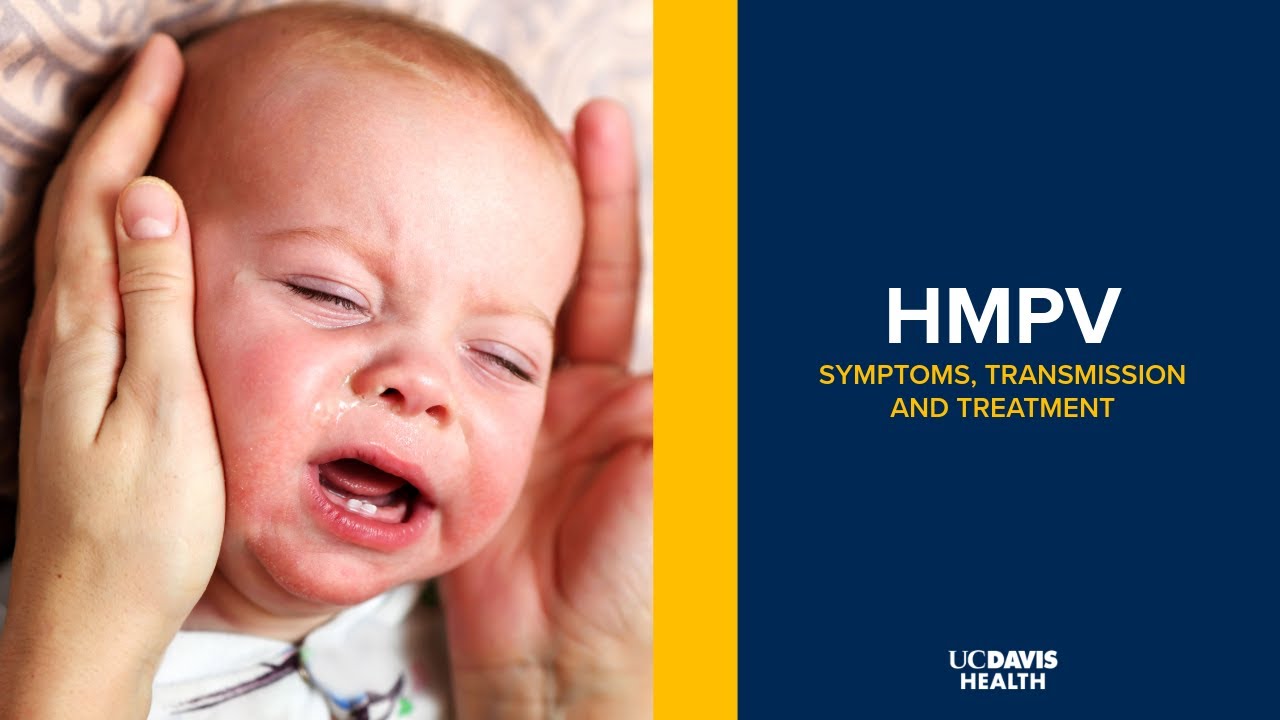
HMPV Explained: Human Metapneumovirus Symptoms, Transmission and Treatment Options
How to prevent HMPV from spreading
“HMPV may be prevented by following good respiratory hygiene,” Blumberg said. If you have cold-like symptoms, take the following steps to prevent spreading the virus:
Cover your mouth and nose when coughing and sneezing.
Wash your hands frequently with soap and water for at least 20 seconds.
Avoid sharing cups and eating utensils.
Avoid kissing others.
Stay at home when sick.
Treatment of HMPV
There are no antiviral drugs specifically for HMPV like there are for thefluandCOVID-19. Treatment of HMPV is the same as fora cold:
Drink fluids to prevent dehydration.
Stay at home and rest.
Takeantipyretics(like acetaminophen and ibuprofen) to reduce fever and make you more comfortable.
For young children, Blumberg notes that abulb syringecan clear nasal mucus, and a humidifier or vaporizer can help with coughs.
Children and teenagers should not be given aspirin for routine indications like fever or viral illness (including HMPV) due to the risk ofReye syndrome, a serious condition that can be fatal.
When to see a doctor
Call a doctor if any of these symptoms apply to you or your child:
Difficulty breathing.
Chest pain.
Difficulty keeping fluids down.
Symptoms that last more than 10 days.
Symptoms that are severe or unusual.
If your child is younger than 3 months and has a fever or is lethargic.
You should also call your doctor immediately if you are at high risk for serious complications and have symptoms such as fever, chills, and muscle or body aches.