
DXA Body Composition Analysis
Dual X-ray Absorptiometry (DXA) Body Composition Analysis
Initial Assessment: $95
Follow Up Tests: $75
Bundle and Save: $75 for the initial and $65 for follow ups when paired with a Performance Test or Wellness Assessment.
What is a DXA Scan?
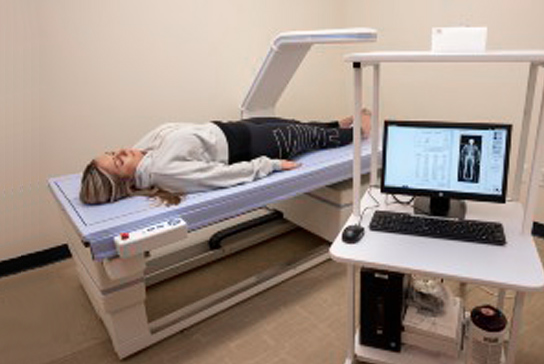
A Dual X-ray Absorptiometry (DXA) scan, also known as a DEXA scan, is a fast, non-invasive, and highly accurate method to measure body composition. In just seven minutes, you’ll receive detailed insights into your body fat percentage, lean muscle mass, and more. This scientifically validated scan goes beyond surface-level measurements, offering a deep understanding of your overall health.
Why Choose a DXA Scan for Your Body Composition?
- Accurate and Comprehensive Results: DXA scans are far more precise than traditional methods like calipers or bioelectrical impedance.
- Track Your Progress Over Time: Whether you're an athlete, on a weight loss journey, or focused on maintaining optimal health, the DXA scan provides consistent, reliable data for tracking changes.
- Enhance Your Health Strategy: Use the detailed insights from the scan to make informed decisions about your diet, exercise, and overall wellness plan.
Key Benefits of a DXA Scan:
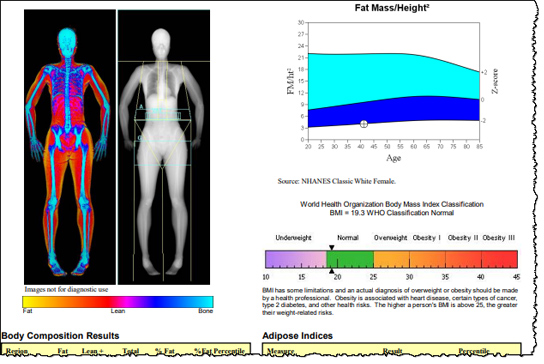
- Precise Body Composition Analysis: Get a clear breakdown of fat, lean tissue, and muscle mass for a complete picture of your fitness.
- Visceral Adipose Tissue Measurement: Assess your risk for conditions linked to excess fat around vital organs, such as heart disease and diabetes.
- Bone Health Insights: While not diagnostic, the DXA scan can provide a whole-body bone density estimate, offering additional information to discuss with your healthcare provider.
- Resting Metabolic Rate (RMR) Estimate: Gain insights into how many calories your body burns at rest, which can guide effective weight management strategies.
What to Expect During Your DXA Scan Visit
Your DXA scan takes just seven minutes, and the process is quick and painless. The scan itself is non-invasive, and you simply need to lie still while the scanner does its work. After the scan, you will receive a comprehensive report with actionable insights into your body composition, including fat distribution, muscle mass, and estimated metabolic rate.
Comprehensive Reporting and Personalized Consultation
After your scan, you’ll receive a detailed, easy-to-understand report breaking down your results. A personalized consultation will help you interpret the data, identify potential health risks, and create a plan to optimize your fitness and wellness. Whether you're looking to reduce body fat, increase muscle mass, or monitor your health over time, this consultation ensures you get the most out of your DXA scan.
Why Accurate Body Composition Matters for Your Health
Understanding your body composition goes beyond just tracking weight. With a DXA scan, you can assess your muscle-to-fat ratio, visceral fat levels, and bone density estimates, helping you understand your overall health risks. This data is crucial for managing weight, optimizing athletic performance, and making informed decisions to enhance your health and longevity.
Maximize Your Fitness and Wellness Goals
Call us now: 916-734-6805
Ready to take control of your health with data-driven insights? Schedule your DXA scan today and start tracking your body composition with unmatched accuracy.
Learn what to expect during your DXA scan
Learn more about our Comprehensive Wellness Assessments
Important Information
The Body Composition DXA scan is not intended to diagnose bone density or osteoporosis risk. For diagnostic purposes, please consult your healthcare provider.
Disclaimer
The UC Davis Sports Performance and Wellness assessments are for informational purposes only and do not constitute medical advice, diagnosis, or treatment. Results should not replace professional medical care. Individuals should consult their physician before making changes to diet, exercise, or health routines. Participation is voluntary, and UC Davis Health is not responsible for injuries or conditions arising from the use or interpretation of results or recommendations.

