Our Research Laboratories
-
Beleford Lab
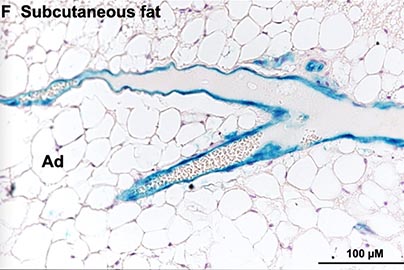
Learn more about the Beleford Lab researchThe Beleford Lab studies underlying changes in molecular signaling that cause vascular malformations (abnormal development of blood vessels) in Hereditary Hemorrhagic Telangiectasia and other genetic vascular conditions. Hereditary Hemorrhagic Telangiectasia (HHT) is a rare Mendelian vascular condition that is characterized by arteriovenous malformations (AVMs), direct connections between arteries and veins without intervening capillary beds.
-
Boyd Genetics Lab
Learn more about Boyd Genetics Lab researchThe Boyd Genetics Lab is involved in studies of non-Mendelian (multifactorial) birth defects, such as nonsyndromic craniosynostosis, bladder epispadias-exstrophy complex, and cleft lip and/or palate. The research laboratory’s ultimate goal is to identify genes and environmental factors contributing to the risk of these birth defects.
-
Hagerman Lab: Fragile X Treatment and Research Center
Learn more about Hagerman LabDr. Randi Jenssen Hagerman, M.D., FAAP, leads the Fragile X Treatment and Research Center, which includes work with those with a full mutation in the FMR1 gene that has greater than 200 CGG repeats, causing fragile X syndrome (FXS), the leading cause of inherited intellectual disability and autism, and those with a premutation (55 to 200 CGG repeats).
-
McElroy Lab
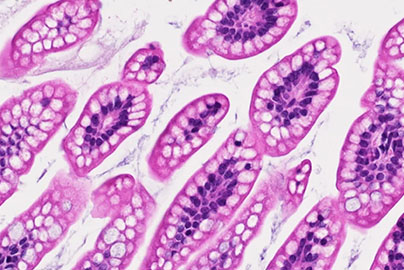
Learn more about McElroy Lab researchThe McElroy Lab is a neonatal gastrointestinal research laboratory. Our long-term research goals are to understand the injury and repair mechanisms of the immature intestine. We are specifically focused on necrotizing enterocolitis (NEC), which is a devastating disorder that predominantly effects preterm infants.
-
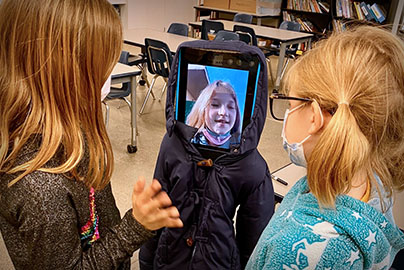
Technology and Social Connectedness (TASC) Lab
Learn more about TASC Lab researchThe TASC Lab is an interdisciplinary research laboratory consisting of researchers from medicine, health informatics, behavioral science, computer science, robotics, learning sciences, and the technology industry, at UC Davis.
Through our transdisciplinary work on technology-mediated health and human development, we explore the role of social connectedness for improved health and behavioral outcomes.