

Christian Sandrock
Associate Chief Medical Officer for Hospital-Based Care
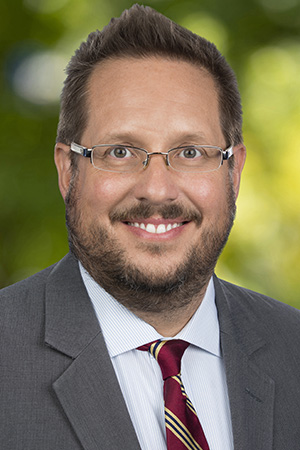
Christian Sandrock, M.D., M.P.H., FCCP, serves as the Associate Chief Medical Officer for Hospital-Based Care at UC Davis Health.
In this role, Sandrock provides leadership on hospital-based care across the system. He works closely with senior leadership on this subject to implement strategies, develop policies, and align hospital care with the institution’s goals.
Sandrock is also the Director of Critical Care and Vice Chair for Quality and Safety at the UC Davis Medical Center. A professor of clinical medicine, infectious diseases, and pulmonary and critical care, his research interests include emerging infectious diseases at the animal and human interface, particularly respiratory infections such as avian influenza, SARS, and other diseases acquired by humans. He has clinical interests in respiratory infections, community-acquired and viral pneumonia, and ICU-acquired infections. Sandrock has published research findings extensively in peer-reviewed publications.
He earned his medical degree from the Georgetown University School of Medicine, and he has an M.P.H. in international public health from Lund University. Sandrock completed his residency in internal medicine and his fellowships in pulmonary and critical care medicine, as well as infectious diseases, at the UC Davis School of Medicine. He earned a Bachelor of Arts degree in biology and English Literature from Rutgers University.
Sandrock has received numerous accolades, including a Diamond Doc Award (2021), Certificate of Appreciation for the Yolo County Health Department Mass Vaccination Clinic Drill (2004), Outstanding Fellow (2003), Betty Ford Center Professional in Residence (1993), and the Pellegrini Scholarship of Swiss Benevolent Society (1992-1996). He believes in a patient-driven and centered approach that focuses on holistic care, including family support, alternative therapies, religion, lifestyle practices, cultural practices, and other modalities in conjunction with conventional therapies.